

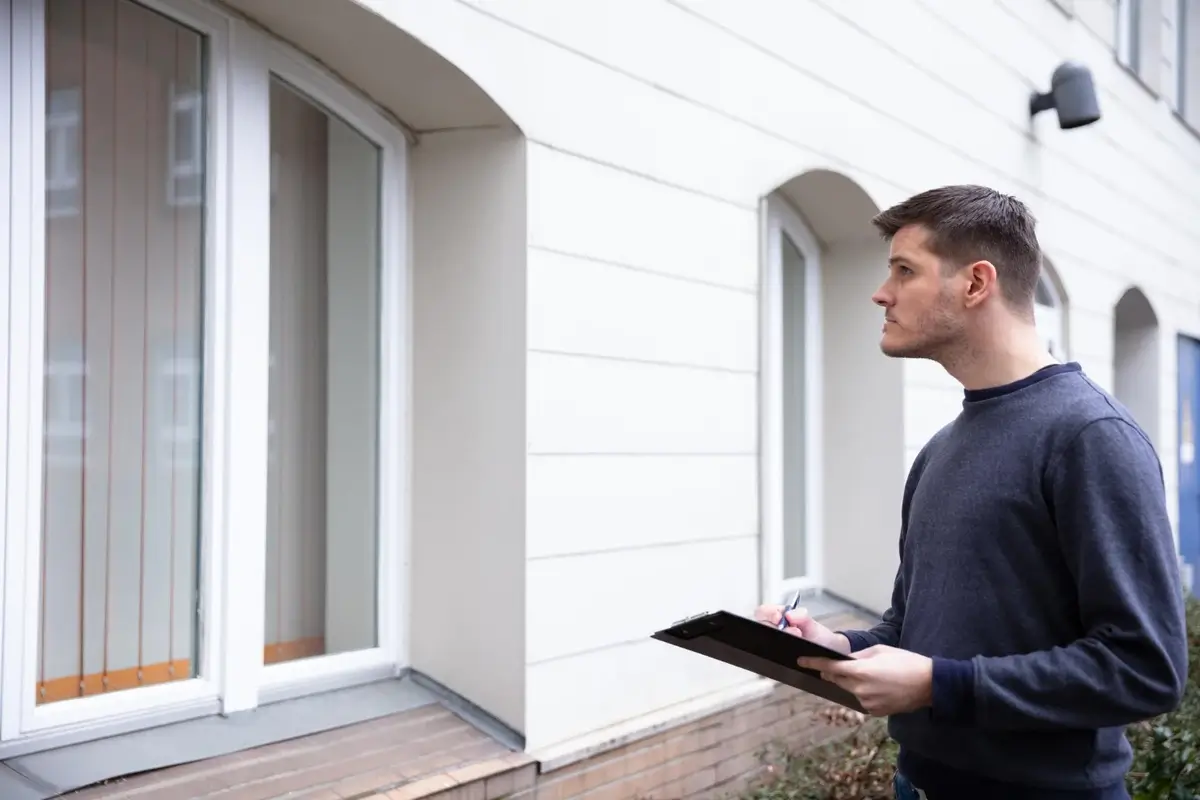
When most people think about a home inspection, their mind jumps straight to what’s inside the house, the electrical system, the plumbing, the HVAC, and the appliances. But here’s the truth: the exterior of the home is where many of the most expensive and serious issues begin.
That’s why a comprehensive exterior home inspection is one of the most important steps in making an informed real estate decision. Whether you’re buying, selling, or simply maintaining your property, understanding what a home inspector looks for on the outside gives you an advantage and potentially saves you thousands.
What Is an Exterior Home Inspection?
A residential exterior inspection is a non-invasive visual evaluation of everything that protects the home from outdoor elements, its structure, safety components, drainage systems, roofing, siding, and more. It is a full-circle walkthrough of the property’s outer envelope.
Inspectors follow national standards of practice (such as ASHI and InterNACHI), analyzing every accessible exterior component to identify existing issues, potential future risks, and anything that may compromise structural integrity or safety.
This assessment is often the first major step in a nationwide exterior home survey and serves as the foundation for understanding a home’s actual condition.
What Does a Home Inspector Look For While Inspecting the Exterior?
Below is a breakdown of the most critical areas inspected during home exterior inspections and why each one matters to buyers, sellers, and homeowners alike.
1. Roof System Evaluation
Roof issues are among the most expensive problems discovered in a home inspection. A residential exterior inspector carefully analyzes:
- Missing, cracked, curled, or blistered shingles.
- Improper tile alignment.
- Sagging or uneven rooflines.
- Deteriorated or rusted flashing.
- Exposed nail heads.
- Moss, algae, or moisture staining.
- Chimney condition (cap, mortar, bricks).
- Gutter and downspout performance.
Your roof is your first line of defense. A compromised one affects every part of the house below it.
2. Siding Inspection & Exterior Walls
A siding inspection is essential in evaluating water resistance, structural protection, and energy efficiency. Inspectors check for:
- Cracks, warping, gaps, rot, or holes.
- Loose siding panels.
- Moisture intrusion.
- Mold or mildew.
- Failing caulk around windows & penetrations.
- Deteriorating paint or coatings.
- Bulging or bowing walls (possible structural issues).
Siding impacts curb appeal, as well as your home’s durability and safety.
3. Windows and Doors
Improperly sealed or damaged windows and doors cause energy loss, water intrusion, and security concerns. Inspectors assess:
- Frame condition (rust, rot, warping).
- Failed window seals.
- Smooth operation.
- Locking mechanisms.
- Condition of weatherstripping.
- Exterior caulking & flashing.
- Evidence of water penetration.
Poorly maintained windows and doors compromise both comfort and energy efficiency.
4. Foundation and Structural Components
This is one of the most essential parts of a home safety inspection. Inspectors look for:
- Hairline cracks, horizontal cracks, or structural fractures.
- Signs of shifting or settlement.
- Gaps between walls and framing.
- Water intrusion or moisture staining.
- Efflorescence (white mineral deposits).
- Poor grading directs water toward the foundation.
Foundation problems can be costly; that’s why catching them early is key.
5. Driveways, Walkways, Patios & Decks
These areas are closely checked for both safety and structural stability. Inspectors evaluate:
- Uneven or sunken concrete.
- Cracks indicating soil movement.
- Trip hazards.
- Loose or unstable deck railings.
- Rotting deck boards or supports.
- Proper drainage and slope.
Even seemingly minor issues here can become safety liabilities.
6. Gutters & Downspouts
A functioning drainage system is essential for preventing foundation damage. Inspectors check for:
- Clogged gutters.
- Rust, leaks, or sagging.
- Downspouts discharging too close to the home.
- Improper slope.
- Damage to fascia or soffits.
Poor drainage is one of the biggest contributors to basement and foundation problems.
7. Landscaping & Grading
You may not think of landscaping as part of a home inspection, but improper grading is a huge red flag. Inspectors look at:
- Slope direction (should always slope away from the house).
- Standing water near the foundation.
- Overgrown trees or roots threatening the home.
- Soil erosion.
- Retaining walls and drainage systems.
Good grading prevents thousands of dollars in water-related damage.
8. Exterior Electrical, Plumbing & Systems
Important but often overlooked elements include:
- GFCI-protected outdoor outlets.
- Exposed wiring.
- Leaking exterior faucets.
- Exterior lighting condition.
- Sprinkler system issues.
- AC condenser placement and condition.
These components impact both safety and functionality.
Why Exterior Inspections Are So Important
A residential exterior inspection is essential because it can reveal:
- Hidden roofing problems.
- Water damage risks.
- Major structural concerns.
- Safety hazards.
- Poor drainage issues.
- Pest access points.
- HVAC efficiency problems.
In real estate, these findings can make or break a sale or massively influence negotiations. For homeowners, this inspection is the key to preventing costly damage.
Conclusion
A professional exterior home inspection is one of the most valuable steps in the home-buying or home-owning journey. From the roof to the foundation, and from siding to drainage, every component needs to be evaluated by the experts. Exterior issues can quickly escalate into serious interior problems if overlooked.
Whether you’re evaluating a potential purchase or maintaining your current home, a comprehensive exterior inspection gives you clarity, protection, and peace of mind.
If you want a thorough, reliable, and detail-oriented residential exterior inspection, Elite Inspections is here to help. Our inspectors evaluate over 1,800 components and deliver digital reports that make decision-making easy.
Ready for a clearer picture of your home’s exterior health? Schedule your home inspection today.
Frequently Asked Questions
1. What is typically not included in a standard exterior home inspection?
A standard exterior inspection doesn’t usually include anything that requires destructive testing or specialty equipment. That means inspectors typically won’t remove siding, dig into the soil, climb unsafe roofs, test underground plumbing, or evaluate irrigation systems for landscaping unless it’s part of an add-on service.
2. How often should I get an exterior home inspection?
Most homeowners should schedule one every 1–2 years, but if you live in an area with harsh weather, heavy rain, high winds, or extreme heat (like much of California), an annual inspection is a good idea.
3. Can I do my own exterior home inspection?
You can do a basic visual check, but it’s not a substitute for a professional inspection. Pros know how to spot subtle issues like early foundation cracks, moisture intrusion, grading problems, or roof issues that homeowners often overlook.
4. What should I prepare before an exterior home inspection?
Before an exterior inspection, you should make sure to:
- Clear debris, cars, and obstacles away from the home’s perimeter.
- Unlock gates or exterior storage areas.
- Trim back heavy vegetation.
- Ensure pets are secured.
This helps the inspector access all critical areas safely and thoroughly.
5. What are the signs of major exterior damage on a house?
The warning signs of exterior damage are:
- Cracks in the foundation or exterior walls.
- Sagging or uneven rooflines.
- Rotting or warped siding.
- Water stains, mold, or soft spots on exterior surfaces.
- Poor drainage or soil pulling away from the foundation.
- Loose, rusted, or missing roofing materials.
If you see any of these, a professional inspection is highly recommended.


