
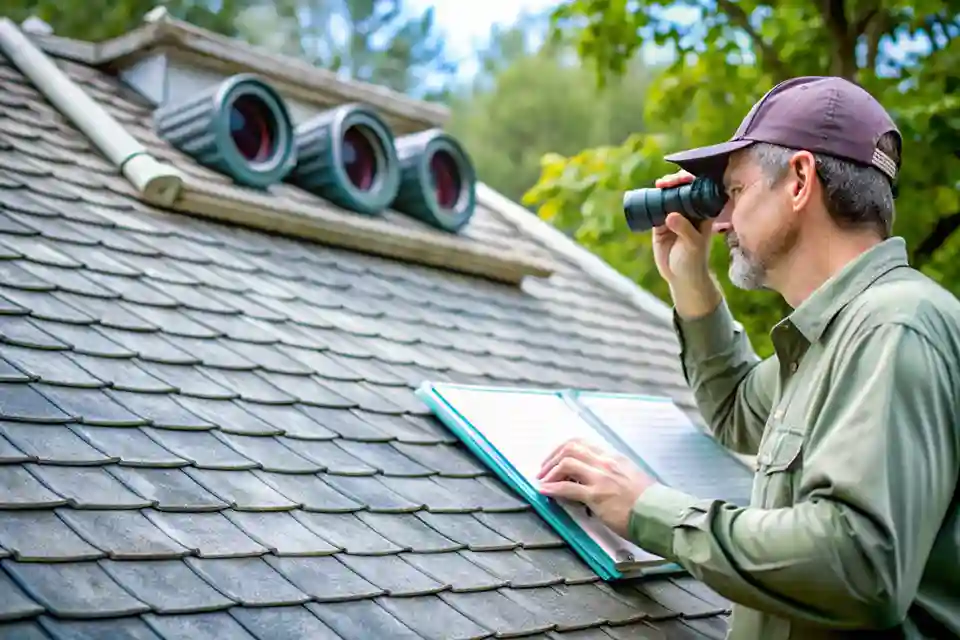
The roof, also known as a home’s shield, is of major importance to buyers and sellers. A failing roof can quickly turn into expensive surprises for homeowners. Buying a home with a roof that is nearing its life expectancy is like walking into a deal that is costlier than expected.
Every buyer and seller should be aware of the roof inspection checklist to know what should be checked before closing a deal. If they want to avoid hidden headaches, then residential roof inspection is a must for them.
Why Roof Inspection Matters
The roof protects everything inside your home, such as your family, your furniture, and your home’s structural integrity. When a roof starts to fail, it doesn’t just mean a few missing shingles. It can lead to leaks, mold, rotting wood, and even foundation problems.
When water infiltration occurs through the roof, every issue becomes chronic. Replacing a roof is a very costly process. For buyers, a roof inspection means negotiating a fair deal. For sellers, it can prevent a sale from falling apart at the last minute.
The Ultimate Roof Inspection Checklist
A detailed checklist used for residential roof inspections is stated below:
1. Exterior Roof Condition
The inspector starts by looking at the roof’s overall condition from the outside. Things to note during this step are:
- Condition of tiles and shingles, if those are cracked, curling, or missing
- Granule loss that occurs over time with asphalt shingles
- Sagging in the roofline indicates structural issues
- Moss, algae, or mold growth that accelerates the deterioration of the roof
2. Flashing and Seals
Flashing is the thin material around chimneys, vents, skylights, and valleys to keep water from seeping in. A good inspection checks for:
- Rust or corrosion
- Loose or missing flashing
- Cracked sealant around joints
Damaged flashing is one of the major causes of roof leaks. If caught early, it is often cheaper to fix.
3. Gutters and Drainage
A residential roof inspection isn’t only about the shingles; it is also about how well water is directed away from the home. Inspectors look for:
- Clogged gutters or downspouts
- Loose gutters pulling away from the fascia
- Signs of water pooling near the foundation
- Shingle granules accumulating in gutters
Drainage issues can shorten a roof’s lifespan and even cause basement leaks.
4. Attic and Interior Signs
A detailed inspection includes checking inside the home, too, especially the attic. Common warning signs to note here are:
- Water stains or damp spots on the underside of the roof decking
- Mold or mildew growth from trapped moisture
- Poor insulation or ventilation
- Light visible through the roof boards
Mold growth in attics is often triggered by unnoticed roof leaks.
5. Chimneys, Skylights, and Roof Penetrations
Any structure that interrupts the roof surface is a potential weak spot. It is a must to check for:
- Cracks or deterioration in chimney mortar
- Skylight seals showing signs of wear
- Vent pipes properly sealed and not rusted
These are the prime spots where water can sneak in, being undetected.
6. Roof Age and Material
Even if a roof looks fine, its age matters. If a roof is nearing the end of its expected life, buyers should factor replacement cost into their decision. Typical lifespans of roofing materials are:
- Asphalt shingles: 15-30 years
- Wood shakes: 20-40 years
- Metal roofs: 40-70 years
- Slate or tile: 50+ years
Even if there are no visible issues, replacement of the roof is recommended when the material reaches its age limit.
Roof Inspection Checklist: Buyer vs. Seller Perspective
| Aspect | Buyer’s Perspective | Seller’s Perspective |
|---|---|---|
| Roof Age | Negotiating factor if near the end of life | Transparency builds trust with buyers |
| Repair Needs | Can ask seller to fix or adjust price | Fixing issues up front avoids delays |
| Inspection Timing | Done during due diligence before finalizing purchase | Done before listing to prevent surprises |
| Documentation | Helps in mortgage approval and insurance coverage | Increases property value and buyer confidence |
How Often Should You Get a Roof Inspection?
Even outside of buying or selling, roofs benefit from regular checkups. Most experts recommend inspection on the following occasions:
- Once per year to assess general wear and tear
- After severe storms, check for missing shingles or leaks
- Before listing your home, fix problems before buyers notice them
Roof inspections are a cost-effective way to extend the life of a roof.
The Bottom Line
The roof isn’t just another line item on your home checklist. It is one of the most important systems protecting your investment. Whether you’re buying, selling, or simply maintaining your property, using a roof inspection checklist ensures you don’t overlook critical details.
For buyers, it is about avoiding expensive surprises. For sellers, it is about transparency and boosting property value. For homeowners, it is the key to keeping their homes well-maintained.
Schedule a residential roof inspection from Elite Inspections and take your next step by being fully aware of the condition.


