

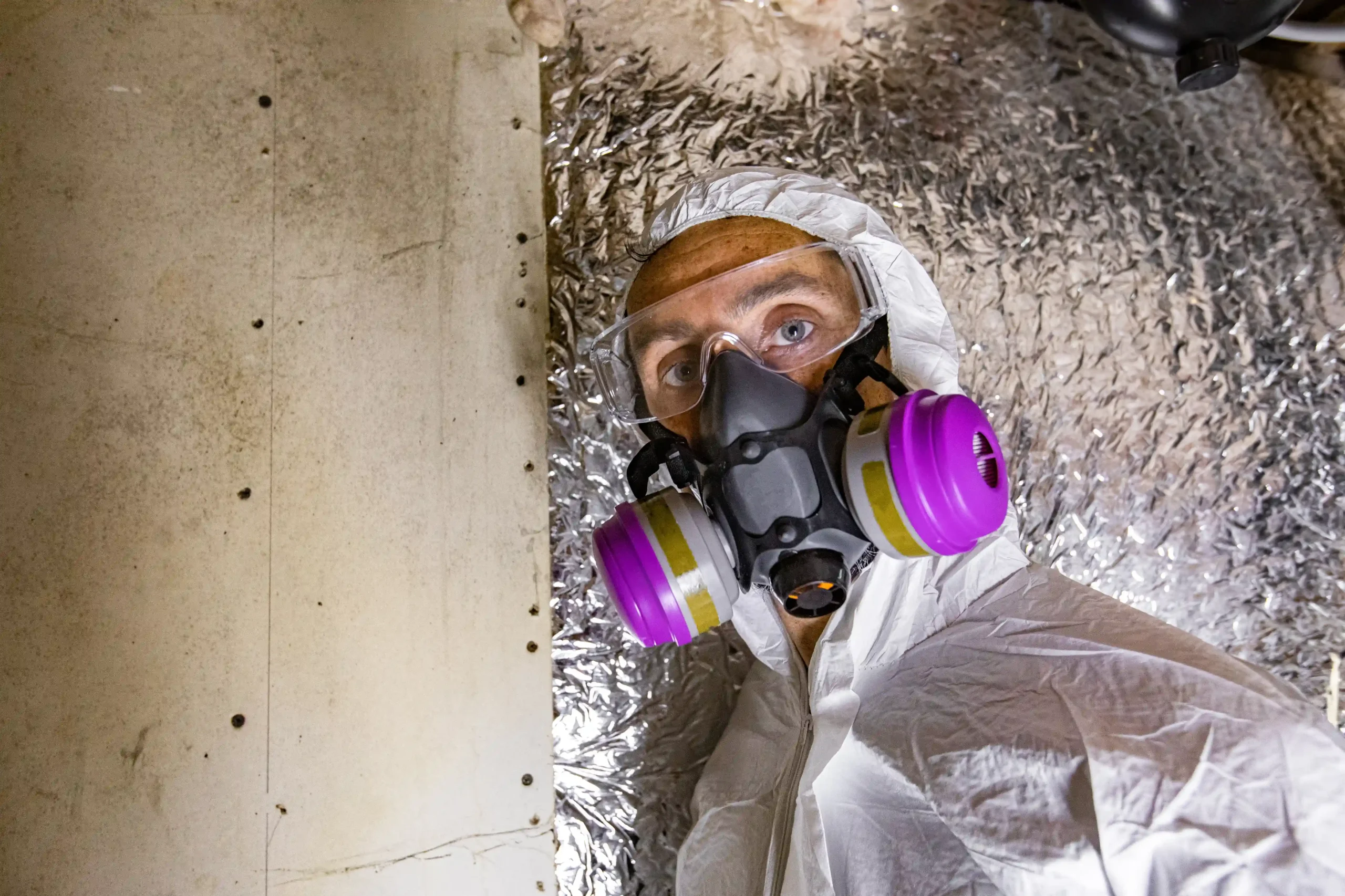
What’s the first thing that comes to your mind when you hear the word “mold”? It must be dark, damp, a basement, or that musty smell in an old building. In the case of mold, here’s a tricky thing: it isn’t always visible. It can hide in walls, under floors, or even float in the air as microscopic spores.
That’s why mold testing is such an important step in protecting both your home and your health. The two most common types of mold tests are mold air sampling and mold surface sampling. While both aim to identify mold contamination, they work in very different ways.
Why Mold Testing Matters in the First Place
Testing for mold in residential and commercial buildings is crucial, as mold poses a risk to residents’ health and the building’s structure.
- Health Risks: Mold exposure can cause allergy-like symptoms, asthma flare-ups, and in some cases, more serious respiratory problems.
- Hidden Growth: Mold isn’t always easy to spot. You may not see growth, but its spores could still be circulating in the air.
- Decision Making: Proper mold testing helps you determine how severe the issue is and what kind of remediation is needed.
Without having a test, you are just guessing and assuming that things are good at your place, but in reality, harmful mold might be affecting the health of your loved ones.
What is Mold Air Sampling
Mold air sampling measures the concentration of mold spores in the air. Inspectors use special pumps or cassettes that pull in air samples, which are then analyzed in a laboratory.
This type of test is especially useful when:
- You suspect mold, but can’t see it
- You want to test indoor air quality
- You need to know if spores are spreading
Pros of Air Sampling
If you proceed with mold air sampling, it will help to:
- Detect hidden mold colonies
- Identify how far mold spores have spread
- Know about the indoor air quality
Cons of Air Sampling
- Results vary because of the weather
- Doesn’t always pinpoint the exact location of mold growth
- There is no ongoing monitoring of spores in the air
What is Mold Surface Sampling
Mold surface sampling involves swabbing, tape lifting, or bulk sampling materials from areas with visible mold. The collected sample is then analyzed under a microscope to identify mold types. You should go with mold surface sampling when:
- You see visible mold growth
- You need to confirm if a stain is mold or just dirt
- You want to identify the type of mold
Pros of Surface Sampling
- Confirms whether a visible spot is mold
- Identifies the exact type of mold
- Useful in post-remediation testing to verify cleanup success
Cons of Surface Sampling
- It doesn’t measure airborne spore levels
- Limited to the area tested
- Can miss hidden mold colonies inside the wall or under the flooring
Air Sampling vs. Surface Sampling: Key Differences
Let’s take a side-by-side look by comparing mold air sampling and mold surface sampling.
| Feature | Mold Air Sampling | Mold Surface Sampling |
|---|---|---|
| What it measures | Mold spores in the air | Mold growth on surfaces |
| Best for | Suspected hidden mold, checking air quality, determining spread | Visible mold, identifying mold type, confirming stains |
| Detection ability | Can find hidden contamination (but not the exact source) | Confirms if visible growth is mold |
| Limitations | Only captures airborne spores during test time | Limited to the area tested, won’t catch hidden mold |
| Typical use case | Allergy or respiratory issues, musty odors, no visible mold | Visible discoloration, confirming mold type, post-cleanup testing |
| Cost | Moderate to high (requires lab analysis) | Lower to moderate |
Can You Combine Both Types of Mold Testing?
Mold problems aren’t always one-dimensional. Professional mold inspectors often use mold air sampling and mold surface sampling to get the clearest picture.
Air samples may show high mold spore counts even when nothing is visible. Meanwhile, the surface samples may confirm that a suspicious patch is mold. Together, they provide both breadth and depth of the issue.
Final Words
Both mold air sampling and mold surface sampling play vital roles in testing for mold. The right choice depends on your specific situation. The best option is to consult the licensed experts at Elite Inspections, who can recommend which option is better for you.
Remember that mold isn’t just an eyesore but a health and property risk. Remediation starts with testing. Book your mold test today and let the experts describe the problem at your place.


