
The electrical system of a home acquires special importance. This system powers everything from your kitchen appliances to your Wi-Fi router, yet it’s one of the house’s least visible and most overlooked systems. That is the reason why an electrical safety inspection is so critical.
The sellers hope to present their homes in the best light, and buyers try to be sure that the property is safe and up to code. They both need an inspection according to the home electrical inspection safety checklist to avoid late surprises.
Why Electrical Safety Inspections Matter
Electricity is essential for daily life, but it’s also dangerous if something goes wrong. Faulty wiring, outdated panels, or overloaded circuits don’t just inconvenience homeowners; they can also spark fires or cause electrocution.
According to the U.S. Fire Administration, 23,700 fires occurred in residential buildings due to electrical malfunctions. Outdated wiring is especially risky in older homes, where aluminium wiring and older breaker panels are common.
Who Performs Electrical Safety Inspection
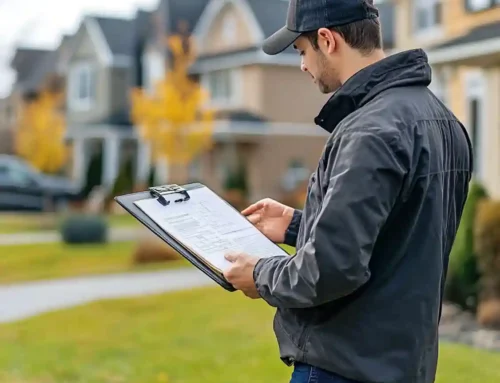
If you have scheduled an electrical safety inspection, you can expect a licensed home inspector to check the outlet conditions, panels, and visible wiring. A licensed electrician can identify the code violations and repair needs if a detailed check is needed.
If a seller gets an inspection from a licensed electrician before listing the home, it can save time during negotiations.
Electrical Safety Inspection Checklist
Getting ready for an inspection doesn’t have to be complicated. A little prep can help uncover easy-to-fix issues before the inspector walks in. Below is the checklist for a home electrical safety inspection:
1. Electrical Panel
The electrical panel or the breaker box is the heart of your home’s electrical system. Make sure that:
- Circuits are clearly labelled
- Panels are not outdated
- No circuit is overloaded
- There are no signs of rust, corrosion, or burn marks
2. Outlets and Switches
It is a small but important check. Outlets are checked for:
- Ground fault circuit interrupters (GFCIs) in kitchens, bathrooms, basements, garages, and outdoor areas to prevent shock hazards
- Loose or damaged outlets, which are common in older homes
- Hot outlets that indicate overloaded circuits or wiring issues
- Two-prong outlets that signal an outdated, ungrounded system
3. Wiring
Wiring is often hidden behind walls, but inspectors look for clues to identify if there is any problem with the wiring:
- Knob-and-tube wiring used before 1950, which is considered unsafe today
- Aluminium wiring from the 1960s–70s that is prone to overheating
- Exposed or damaged wires that create safety hazards
- Improper connections that avoid approved connectors
If the home has outdated or unsafe wiring, expect it to come up in the inspection report.
4. Lighting Fixtures and Ceiling Fans
These may seem minor, but inspectors check for:
- Fixtures that flicker, hum, or overheat
- Fans that wobble, which may signal poor installation
- Bulbs with incorrect wattage for the fixture
If things don’t work properly, it may indicate that the system has not been maintained well.
5. Grounding and Bonding
Grounding ensures electricity flows safely to the earth in case of a fault. Inspectors confirm that:
- The main panel is properly grounded
- Metal pipes are bonded to the electrical system
- Ground wires are securely connected
Without proper grounding, the risk of electrocution and fire increases significantly.
How to Prepare Your Home for a Smooth Inspection
For homeowners, here are some easy steps to take before the inspector arrives:
- Test all outlets and switches; replace any that are loose or non-functioning
- Install GFCIs where required
- Replace burned-out bulbs so fixtures are not marked defective
- Label the electrical panel clearly
- Check smoke and CO detectors and replace batteries if necessary
- Tidy up around the panel for easy access
- Hire an electrician for minor fixes before listing
Final Thoughts
An electrical safety inspection isn’t just about satisfying a requirement during a real estate transaction. It’s about protecting your home, your family, and your investment. Using a home electrical safety inspection checklist ensures no detail is overlooked.
According to the National Fire Protection Association (NFPA), electrical distribution and lighting equipment are among the leading causes of home fire casualties.
Get an inspection and let the licensed experts of Elite Inspections guide you to make your home safe.