
Buying a house has always been overwhelming. In 2025, with new dynamics, the process of purchasing a home has also been upgraded. Rising interest rates, competitive housing markets, and evolving buyer expectations have all contributed to shaping a new roadmap for homebuyers. Here’s a step-by-step home buying guide to let you know how to buy a house in 2025’s competitive market and what can help you the most throughout this journey.
15 Steps Every Homebuyer Should Know
From deciding to buy a home to moving into your new home, the whole process involves 15 steps. Let us take a look at those:
Step 1: Evaluate Your Finance
Once you have decided to buy a new home, take a hard look at your financial situation. You will have to browse listings accordingly, and the lenders will also examine:
- Income and employment history
- Debt-to-income ratio
- Credit score
- Savings for down payment and closing costs
If the homebuyer has a higher credit score and a lower debt ratio, it means better mortgage rates. This can save you thousands over the life of the loan.
Step 2: Get Pre-Approved for a Mortgage
A pre-approval isn’t just a letter, but it’s proof to sellers that you’re a serious buyer. In competitive markets, many sellers won’t consider offers without it. At this step, make sure to compare rates and terms across multiple lenders.
Step 3: Define Your Homebuying Goals
You must have been looking for a condo in the city, a single-family home in the suburbs, or a multi-family property to generate rental income. Make a decision that suits you. Here’s what you can keep in mind:
- Location and commute
- School districts
- Space needs
- Budget comfort zone
This clarity keeps you from wasting time on properties that don’t align with your priorities.
Step 4: Hire a Real Estate Agent
In your homebuying journey, a knowledgeable agent acts as your advocate. Their role is to help you negotiate, avoid pitfalls, and find homes that match your needs. A real estate agent can speed up the searching process and provide you with more opportunities.
Step 5: Start House Hunting
This process can be fun and overwhelming for you; all you need to do is stay focused. Don’t spend a lot of time at a home that stretches your budget. Try to tour the property in person and take note of as many details as possible.
Step 6: Make an Offer
Once you have found the right home for you, your agent will help you draft a competitive offer. The offer includes: purchase price, contingencies, and timeline for closing. In a seller’s market, offers may need to be aggressive, but no buyer should skip the inspection contingency. It is the only safety net in the whole process.
Step 7: Schedule a Home Inspection
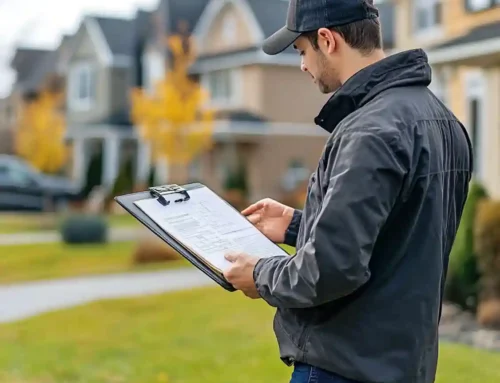
It is the most critical step of the home-buying journey. A home inspection is a professional evaluation of the condition of the property, in which the following are covered:
- Foundation and structure
- Roof and exterior
- Plumbing, electrical, and HVAC systems
- Attic, basement, and insulation
- Condition of the interior
In 2025, inspectors are using the latest tools and technologies, like thermal imaging and drones, to detect issues that are not visible to the naked eye.
Step 8: Review the Inspection Report
Your inspector will provide a detailed report along with photos of detected problems. So pay close attention to:
- Safety Concerns
- High-cost Repairs
- Code Compliance
Discuss the report with your real estate agent and decide if you need to request repairs, ask for a credit, move forward as-is, or back out of the deal under your contingency.
Step 9: Negotiate According to Findings
You don’t need to panic when seeing issues in an inspection report. If you are still interested in the home, proceed with negotiations. The sellers may:
- Fix the problems before closing
- Offer financial credits
- Reduce the purchase price
By negotiating, either you can get the issue fixed or you can make the deal suitable for you.
Step 10: Finalize Financing
Once inspection and negotiations are complete, it’s time to lock in your mortgage. In 2025, many lenders offer rate-lock options to protect you from hikes while your deal closes. Provide final documents to your lender, including updated bank statements and any conditions required for approval.
Step 11: Order an Appraisal
Lenders require an appraisal to confirm that the home’s value matches the loan amount. If the appraisal comes in lower than your offer, you may need to:
- Renegotiate the price
- Cover the difference in cash
- Walk away if the numbers don’t make sense
Step 12: Secure Homeowner Insurance
Most lenders won’t close without proof of insurance. When comparing insurance policies, consider not only standard risks like fire or theft, but also region-specific concerns such as earthquake or flood insurance.
Step 13: Conduct a Final Walkthrough
Right before closing, do one last walkthrough to ensure that repairs from the inspection are completed, appliances and systems are still in working condition, and there is no new damage in the property.
Step 14: Close the Deal
Reaching this step means you are right at the finish line. On closing day, you’ll sign the loan and title documents, pay closing costs, and receive the keys to your new home.
Step 15: Move In and Plan for Maintenance
Once you receive the keys, you are officially a homeowner. You can now move into your new home. Your journey of buying a new home ends here. You can plan required maintenance or customization according to your needs. Now it’s your responsibility to keep your home in good condition, for which you will need regular inspections and maintenance.
Final Thoughts
With this detailed guide to buying a home in 2025, purchasing your dream home becomes much easier. By following this step-by-step guide, you can get everything done smoothly. In this entire process, the most important thing is finding a suitable home and then booking an inspection to make an informed decision.
Schedule a same-day inspection with Elite Inspections to ensure you are investing your time and money in the home that meets your expectations.