

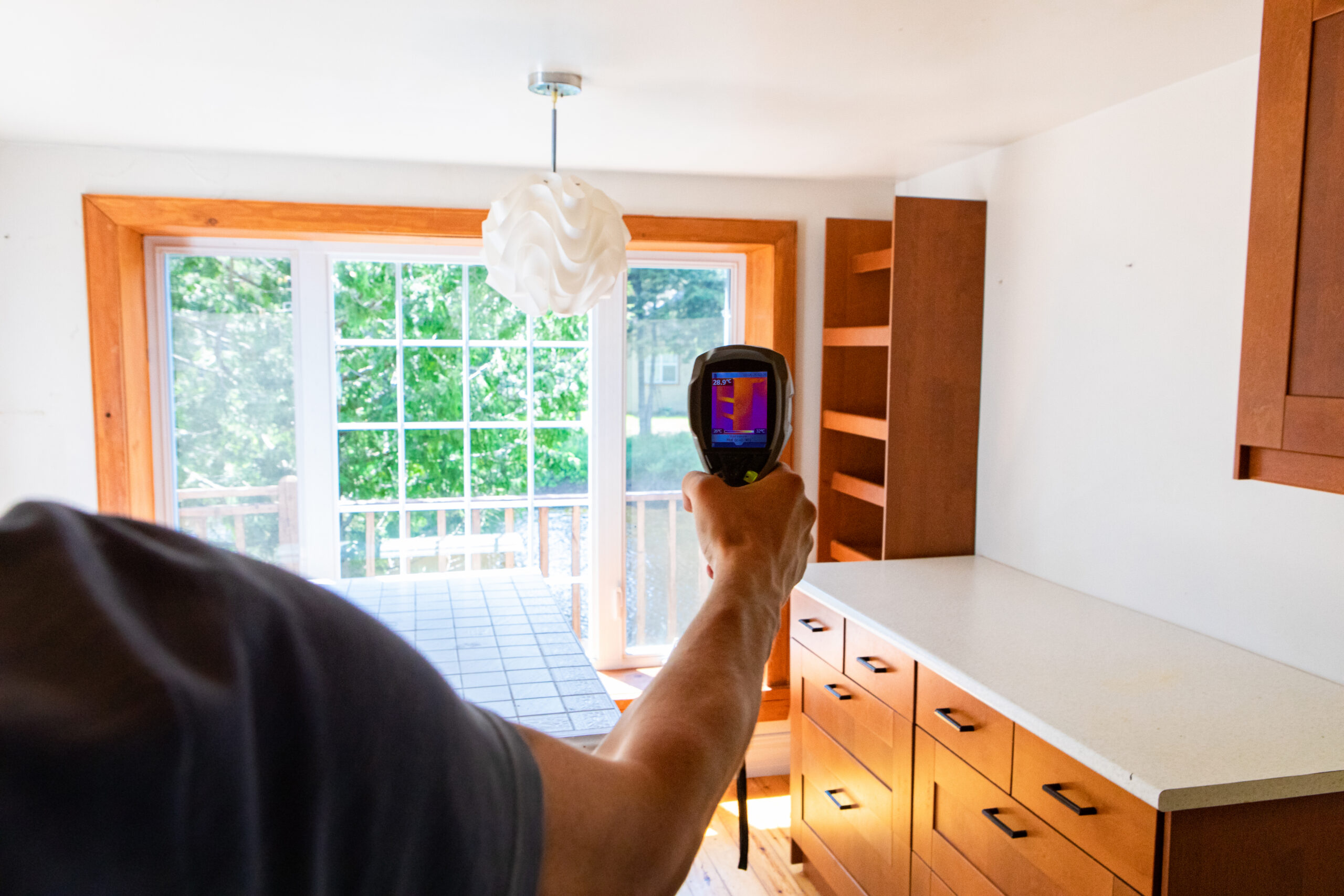
When people think about radon, they often picture cold and dark basements in older homes. If you live in Southern California, you should be worried about radon in a warm climate.
Radon is not about whether the weather is hot or cold. It is about soil, rock, home construction, ventilation, cracks, and how air moves through a building. That means radon testing in Southern California is still important, even if your home has no basement.
Here’s why you need to consider radon testing.
What Is Radon & Why Should Homeowners Care
Radon is a naturally occurring radioactive gas. You cannot see it, smell it, or taste it, which is what makes it easy to ignore.
It forms when uranium breaks down in soil, rock, and water. From there, radon can move through the ground and enter buildings through cracks, gaps, crawl spaces, drains, and other openings.
The U.S. Environmental Protection Agency says radon exposure can cause lung cancer in both smokers and non-smokers. The American Cancer Society also notes that radon is the leading cause of lung cancer among people who do not smoke.
You cannot judge radon levels by how clean, new, expensive, or well-maintained a home looks. That is why testing matters.
Is Radon a Problem in California
The answer to this common question is yes, but it varies by location, soil condition, and individual property. California is not usually considered one of the highest radon states overall. However, the California Department of Public Health actively encourages Californians to test their homes, fix homes with elevated radon levels, and build new homes using radon-resistant methods where appropriate.
Your neighbor’s test result does not guarantee yours. Two homes on the same street can have different radon levels because of differences in soil, foundation design, ventilation, cracks, and remodeling history.
Why Warn Southern California Homes Still Have Radon
The warm climate myth comes from the idea that radon builds up only when homes are sealed tightly during winter. While closed-up homes can trap more indoor air, climate is only one part of the story.
The homes in Southern California often sit on slabs. In such homes, radon can move through:
- Cracks in concrete slabs
- Gaps around plumbing or utility lines
- Crawl spaces with exposed soil
- Foundation joints
- Floor drains or sump areas
- Poorly sealed construction openings
So no, you do not need freezing winters for radon to become a concern. You only need radon-producing soil and a pathway into the home.
When Should You Test for Radon
The best time to test is before you have a reason to worry. Radon testing is simple, relatively inexpensive, and can give you peace of mind. You should consider testing if:
- You are buying or selling a home
- You have never tested your property before
- You finished a remodel or foundation repair
- You converted a garage, basement, or lower-level space
- You spend a lot of time in lower rooms
- You have young children, older adults, or smokers in the household
- You installed new windows, insulation, or HVAC systems
The CDC says testing is the only way to know if a home has high radon levels. A professional radon inspection in California provides documentation that matters in real estate transactions.
What Radon Level Is Considered High
Radon is measured in picocuries per liter of air, usually written as pCi/L. The EPA recommends fixing a home if the radon level is 4 pCi/L or higher. It also suggests considering repairs when levels are between 2 and 4 pCi/L.
Lower levels are generally less risky than higher levels, but there is no completely risk-free radon exposure level. The goal is to reduce exposure as much as reasonably possible.
Does Radon Change by Season
Yes, radon levels can change. Weather, ventilation, soil moisture, air pressure, HVAC use, and home sealing can all affect indoor readings.
That is why one test gives you a snapshot, not a lifetime guarantee. Homeowners who want a deeper understanding should learn more about seasonal changes and radon levels, especially if an initial result is close to the EPA action level.
Book Radon Testing in Southern California
Radon deserves a place on the home safety checklist in Southern California. It is invisible, it can affect homes in any climate, and it is tied to serious long-term health risks.
The smartest approach is simple: test, understand your result, and fix the issue if needed. Schedule your radon test with Elite Inspections and get facts about radon. A test can help you to improve the air your family breathes every day.


