

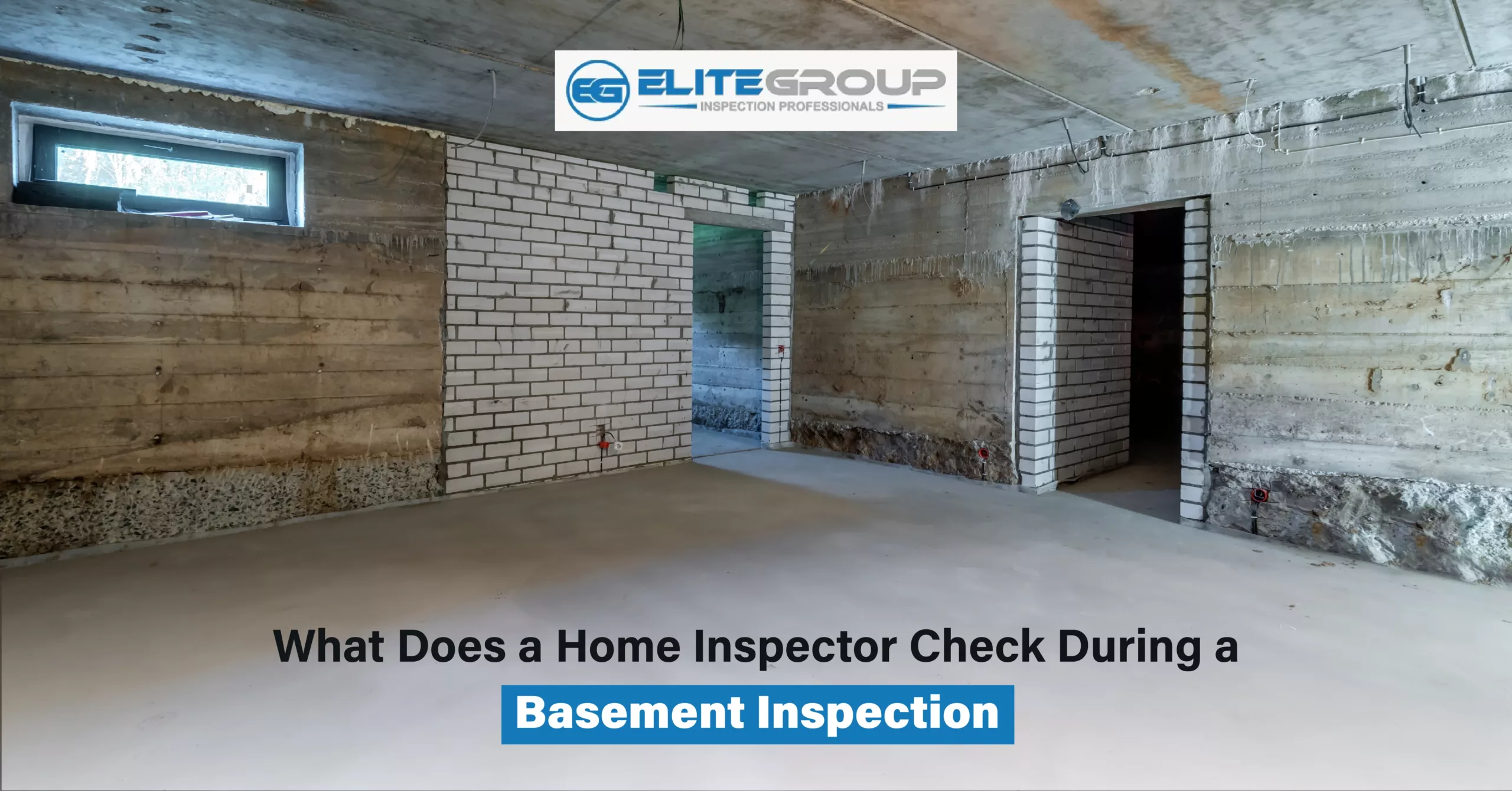
The basement is a crucial part of your home. It supports the structure, hides many systems, and is the first place moisture shows up. A professional basement inspection can catch issues early, protect indoor air quality, and save you from surprise repair bills at closing.
Because below-grade spaces interact directly with soil moisture and foundation loads, understanding what happens during this diagnostic walkthrough will help you protect your safety and avoid costly repairs down the road.
Evaluating the Skeleton: Inspecting the Basement Structure
The first and most critical component an evaluator examines is the underlying basement structure. This load-bearing skeleton bears the combined weight of the roof, walls, upper floors, and occupants above.
When analyzing the structural framework, an inspector reviews several primary elements:
- Foundation Walls: Examining poured concrete or masonry blocks for severe structural settling, horizontal cracks, or bowing walls caused by external soil pressure.
- Floor Joists and Beams: Inspecting the wooden or steel framing visible in unfinished ceilings for load deflection, improper modifications (such as contractors cutting holes in supports for plumbing lines), and active wood rot.
- Support Columns: Verifying that vertical lally columns or wooden posts are plumb, structurally sound, and securely anchored to the concrete floor slab.
Cracks in the basement walls may lead to moisture issues and higher radon levels in the home.
The Basement Structural Inspection
If a general property evaluation flags complex structural movement such as concrete blocks pushed inward or extensive stair-step masonry cracking, you will need a specialized basement structural inspection performed by a licensed professional engineer.
Unlike a general home inspector, who simply identifies visible signs of damage, a structural engineer uses mathematical analysis to determine the precise root cause of the shifting. They assess whether the concrete movement is a historical, stable settling issue or an active, hazardous failure caused by poor soil drainage, hydrostatic pressure, or frost heaving.
Essential Walkthrough: The Basement Inspection Checklist
Here is the operational basement inspection checklist that certified evaluators utilize to track building health:
| Evaluation Zone | Critical Checklist Items to Evaluate | Primary Hidden Threats to Catch |
| Water Intrusion | Sump pump operational flow, French drain outlets, baseboard dampness, efflorescence (white powder deposits on concrete walls). | Active subterranean flooding, toxic structural mold, framing wood rot. |
| Mechanical Equipment | Water heater pressure valves, main furnace connections, HVAC supply ducts, gas line leak checks. | Carbon monoxide leaks, fire hazards, catastrophic water line bursts. |
| Electrical Safety | Open junction boxes, exposed or frayed wiring, ungrounded outlets, subpanel overloading. | Immediate electrocution hazards and hidden electrical fires. |
| Environmental Safety | Air exchange adequacy, presence of friable insulation, signs of past wood-destroying insect paths. | Poisonous radon gas buildup, subterranean termite infestations. |
Red Flags That Deserve Fast Follow-Ups
- Current standing water or pumping every rain
- Horizontal cracks/bowing walls, or rapidly widening cracks
- Rot at the sill plates or support posts
- Musty odor with visible mold-like growth on finishes
- Sump present but not operational (or discharging at the foundation)
- Grading that clearly slopes toward the house
Addressing these early protects value, safety, and air quality.
Protect Your Home with Elite Inspections
A basement tells the truth about a home. A thorough basement inspection with clear notes on moisture, structure, and systems gives buyers leverage, offers sellers clarity, and provides homeowners with a roadmap to keep things dry and stable.
If you’re dealing with moisture now, don’t panic; fix the cause, document the repair, and keep the area dry. That’s how you turn a basement from a liability into a selling point.
Book your inspection with Elite Group Inspections. Our certified pros bring moisture meters, thermal imaging, and decades of know-how to every job. You’ll get a photo-rich report, practical fixes, and straight talk so you can make the right call.
Frequently Asked Questions
- What are the most common issues found during a basement inspection?
The big ones are moisture intrusion, foundation cracks, mold or mildew, poor drainage, and electrical or plumbing leaks. Even small leaks or cracks can signal larger problems if ignored.
- Can I be present during the basement inspection?
Absolutely! In fact, we recommend it. Being there, you can see what the inspector finds, ask questions in real time, and learn maintenance tips to keep your basement dry and healthy.
- How long does a typical basement inspection take?
It depends on your home’s size and condition, but most basement inspections take 30 to 60 minutes as part of a full home inspection. More complex or finished basements may take longer.
- What happens after the basement inspection?
You’ll receive a detailed report outlining any issues found, complete with photos, severity levels, and recommended next steps. If needed, the inspector may suggest a specialist evaluation, such as a structural engineer or a waterproofing expert.
- Why should I choose a professional home inspector over a general contractor for a basement check?
Certified home inspectors are trained to evaluate all systems objectively, not sell repairs. A contractor might focus on a single trade, but an inspector provides a neutral, comprehensive assessment to help you make informed decisions.


