
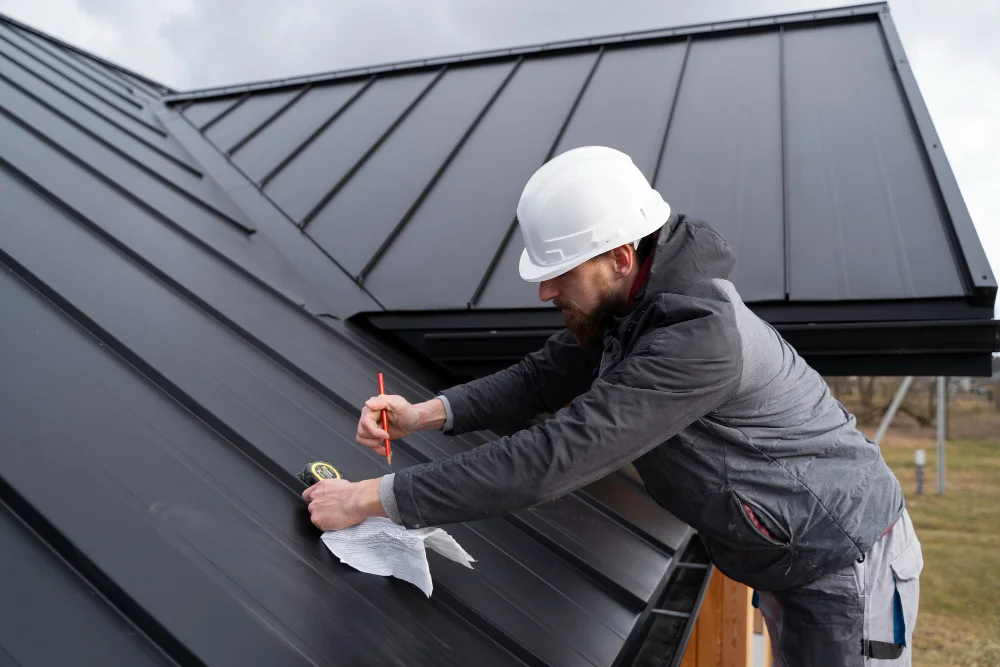
Often, homeowners get confused between roof inspections and roof certifications. Even though these two sound the same, they’re different. Simply put, a roof certification is a professional document issued by a certified roof inspector after a detailed evaluation of your roof’s condition. It confirms that the roof is in good shape, free from major defects, and expected to remain leak-free for a specific period, usually between two and five years.
Unlike a general home inspection, a roof inspection certification provides a more in-depth examination. It focuses solely on your roof’s health, the materials, structure, and potential weak points — so you know exactly what you’re working with before listing, buying, or insuring a property. As a result, most roofing contractors suggest scheduling Professional Home Inspections prior to a transaction.
Why Roof Inspection Matters
A well-maintained roof doesn’t just keep you dry; it protects your entire home. For that reason, lenders, buyers, and insurance companies often want documented proof of its condition. That’s where a roof certification letter comes in. So, this letter is a valuable tool for homeowners, buyers, and sellers alike:
1. In Real Estate Transactions
- For Sellers: A valid roof certification makes your home more marketable. It helps buyers to make an offer with confidence, knowing the roof has been professionally inspected and approved. It can even speed up negotiations by eliminating one of the biggest unknowns in a sale.
- For Buyers: A roofing certification means peace of mind, no surprise leaks or costly roof repairs right after moving in. Many lenders even require it for older homes before approving a mortgage.
2. For Insurance Coverage
- Policy Requirements: Some insurance companies require a roof certification in California before issuing or renewing a homeowner’s policy.
- Claims Support: If damage happens later, your certification serves as proof of your roof’s prior condition, which can make claim approvals easier.
- Potential Discounts: A certified roof can sometimes lead to lower premiums, especially in areas with storm or fire risks.
3. For Long-Term Home Maintenance
- Catch Problems Early: Certified inspections uncover minor issues before they turn into major repairs.
- Extend Roof Life: Regular roof evaluations and maintenance can add years to your roof’s lifespan.
- Keep Warranties Valid: Some roofing material warranties require periodic inspections or certifications to stay in effect.
How the Roof Certification Process Works
Getting your roof certified isn’t complicated, but it does require the services of a qualified expert. Here’s what you can expect:
Step 1: Hire a Certified Roof Inspector
Start by hiring a licensed professional who’s experienced in roof evaluation and repair. Look for inspectors with roof inspector certification credentials or NRCIA (National Roof Certification and Inspection Association) membership.
Elite Inspections, for example, has over 35 years of experience providing roof certification services across Southern California.
Step 2: Get Your Roof Inspected
Your inspector will conduct a thorough inspection to verify every component of the roof. This detailed, comprehensive inspection includes:
- Exterior Inspection: Checking shingles or tiles, flashing, gutters, and drainage.
- Roof inspectors will identify specific roofing issues such as missing, damaged, or curled shingles or tiles.
- They also examine indicators such as cracks, water spots, or Mold to identify where moisture may be getting in.
- Interior Inspection: Reviewing attic spaces for water stains, insulation issues, or leaks.
- Documentation: Photos and notes detailing the roof’s condition and any recommended repairs.
Step 3: Review the Report and Complete Repairs
The report mentions the minor fixes that are required. This can be sealing flashing or replacing damaged tiles. Your inspector will usually recommend them before certification. Some professionals, like Elite Inspections, even handle minor repairs at no additional cost during the same visit.
Step 4: Receive Your Roof Certification Letter
Once your roof inspection is done, you’ll get an official roof certification letter stating:
- Roof’s overall condition
- Any previous repairs made
- Its estimated remaining lifespan
- The certification validity period (usually 2–5 years)
That document can then be shared with buyers, lenders, or insurers as proof that your roof is safe, stable, and ready to protect your home.
Who Can Issue a Roof Certification?
Not just anyone with a ladder and a flashlight can issue a valid certification. A credible roof certification must come from a licensed roofing contractor or certified roof inspector with the right credentials.
- Licensed roofing contractors: Experts trained to identify leaks, wear, and material issues.
- Certified roof inspectors: Specialists accredited by organizations like NRCIA who issue official certification documents.
Key Takeaway
A roof certification is more than a checkbox; it’s proof that your roof is safe, sound, and ready for whatever the weather brings next. Whether you’re selling your home, securing insurance, or simply protecting your investment, a certification offers real, lasting peace of mind.
Elite Inspections makes the process simple, transparent, and trustworthy. With certified roof inspectors, advanced technology, and decades of experience, you’ll get the clarity and confidence your home deserves. So, what are you waiting for? Book your inspection today.
Frequently Asked Questions
1. What is the main difference between a roof certification and a standard home inspection?
A home inspection provides a general overview of your property. In contrast, a roof certification is a detailed, expert examination conducted by a certified roof inspector that confirms the roof’s condition and lifespan in writing.
2. How long is a typical roof certification valid?
Usually between two and five years, depending on your roof’s age and condition. In sunny states like California, it’s smart to renew it every few years.
3. Do I really need a roof certification to sell my home?
It’s not always required, but it’s highly recommended. A valid roof certification letter gives buyers confidence and can make the selling process faster and smoother.
4. What happens if my roof doesn’t pass the initial certification inspection?
No problem, your inspector will tell you what needs fixing. Once the repairs are done, the roof can be rechecked and certified.
5. Can a roof certification help lower my homeowner’s insurance premiums?
It can help. Many insurers offer better rates or easier renewals when you show proof that your roof is certified and in good condition.


