

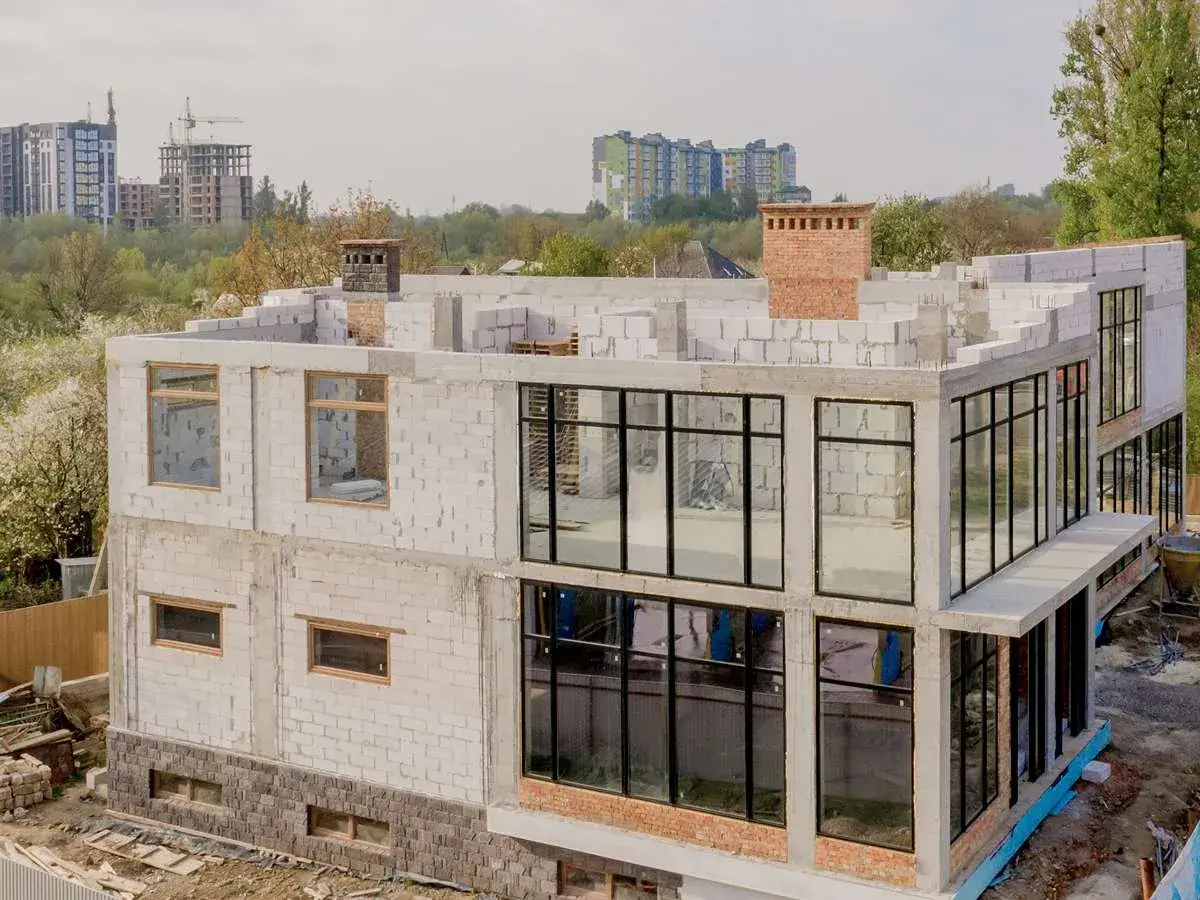
Purchasing a house, particularly a new one, ought to bring enthusiasm rather than stress. However, the belief that new homes remain free of issues is untrue. We’re talking about common construction defects, the hidden flaws that can lead to serious headaches (and expensive repairs) down the road.
In this blog, we’ll cover the 10 most common construction defects found during new-construction inspections.
What Is Considered a Defect in a Home Inspection
Property owners frequently ask how experts distinguish normal wear and tear from an actual construction failure.
A construction defect is broadly defined as a flaw, failure, or deficiency in the design, materials, or workmanship of a property that results in a system failing to perform its intended function or posing a direct safety hazard. Independent inspectors evaluate components against professional industry standards, specifically looking for items that violate minimum building standards, reduce the property’s structural value, or threaten the immediate safety of the occupants.
The major defects in home inspection findings typically involve a core system failure that requires immediate, expensive professional remediation to make the house livable. These are the things that can cause a home inspection to fail.
Common Construction Defects by System
To give you an organized overview of the issues that property evaluators frequently encounter in the field, refer to this comprehensive list of construction defects categorized by their system impact:
| Defect Category | Examples of Workmanship & Material Flaws | Primary Long-Term Consequences |
| Structural / Foundation | Bowing foundation walls, shifting framing beams, missing load-bearing structural ties, and severe settling fractures. | Total framing instability, wall shifting, and potential localized roof collapses. |
| Building Envelope (Water) | Improper window flashing, missing house wrap barriers, failing roof valleys, and poor exterior ground grading. | Rotted wall insulation, structural wood rot, and toxic mold outbreaks. |
| Mechanical / Plumbing | Incorrect drain pipe slopes, backward plumbing connections, unvented fuel lines, and leaking main sewer branches. | Sewer gas backup, hidden interior flooding, and active mold amplification. |
| Electrical Safety | Open wire junctions, oversized breakers on small wires, ungrounded outlets, and obsolete electrical panels. | Severe electrical fire hazards and immediate risk of electric shock to residents. |
List of Defects Common in New Homes
1. Foundation Cracks Or Shifting
Every house needs a solid foundation, just like a body needs strong bones. A weak or cracked foundation threatens the safety of all other components and systems of the house.
Foundation trouble becomes evident through uneven settling, cracks, and signs of moisture. Although foundation cracks may appear insignificant, they become major structural problems with time.
2. Improper Drainage
Leaking water is among the biggest threats homeowners face. Water accumulation in the foundation becomes a problem due to soil sloping towards the house, clogged gutters, or poor grading. Improper drainage at homes creates conditions ripe for mold, rot, and potential flooding.
It’s one of the most overlooked yet common construction defects out there.
3. Roofing Issues
Inspections routinely uncover roofing defects, mainly due to shingle shortages and inadequate water-blocking elements around vents and chimneys.
A deteriorated roof allows water to penetrate, causing problems and requiring expensive maintenance. The inspectors conduct thorough examinations to identify evidence of water infiltration and installation mistakes.
4. Plumbing Defects
Ever had a leaking pipe? What if it is hidden behind your walls?
Loose plumbing fixtures, low water flow, and improper piping materials are typical plumbing defects. Water damage, mold growth, and raised utility expenses stem from such issues.
5. HVAC Installation Errors
Using your heating and cooling system provides seasonal comfort to your home. Poor installation of insulation can create the exact opposite effect of what it was intended to provide.
Three major HVAC defects are undersized systems, faulty ductwork, and ineffective system placement. These defects lead to poor air circulation and higher energy costs for homeowners.
6. Electrical Hazards
Inspections of electrical systems are needed for safety and functional purposes. A warning signal can come from defective electrical wiring, open electrical outlets, and overloaded power distribution systems.
According to the National Fire Protection Association (NFPA), four out of every five home fires are attributed to electrical failures or malfunctions. This serious issue appears on far too many lists of common construction defects.
7. Poor Insulation Or Air Sealing
Your home insulation prevents high utility costs while maintaining excellent interior comfort.
Issues with missing wall or attic insulation and window and door air leaks are frequently reported during inspections. The lack of proper air sealing and insulation puts excessive loads on the HVAC system, causing your monthly bills to rise unnecessarily.
8. Window And Door Installation Flaws
Inadequate installation of doors and windows will create gaps that allow air or water to pass through and invite pests into living spaces.
This defect can even affect the security system and soundproofing operations. The slope of an uneven frame might seem a small problem, but it can be a sign of a deeper structural problem.
9. Siding And Exterior Wall Issues
Your house’s exterior walls are its line of defense. Substandard siding materials or poor installation allow water vapor to invade your home. This will eventually cause mold growth and wood rot, requiring further maintenance expenditures.
10. Structural Framing Errors
Your home’s integrity suffers from framing mistakes that remain invisible until the damage is already done. Damaged walls, sagging ceilings, and uneven floors usually indicate structural deficiencies in your home.
This is one of the most serious common construction defects, and it usually results from rushed work or poor planning during construction.
Why These Defects Happen
Three main factors account for all of these defects.
- Poor workmanship: rushed or inexperienced labor.
- Substandard materials: Products of inferior quality decay much more quickly.
- Lack of oversight: No one double-checks the builder’s work.
Like older structures, new buildings are susceptible to property defects. Therefore, getting a new construction inspection is as important as getting an inspection of an older building.
Conclusion
No home is perfect. But with the right inspection, you can catch those common construction defects before they turn into disasters. Every homeowner needs a thorough inspection, whether purchasing a new home, building one, or simply seeking assurance about their property.
At Elite Inspections, we specialize in identifying common construction defects before they cost you money. Our company’s certified experts deliver detailed reports and expert advice, providing complete peace of mind throughout the building process.
You can secure your home today during an inspection before breakdowns occur.


