

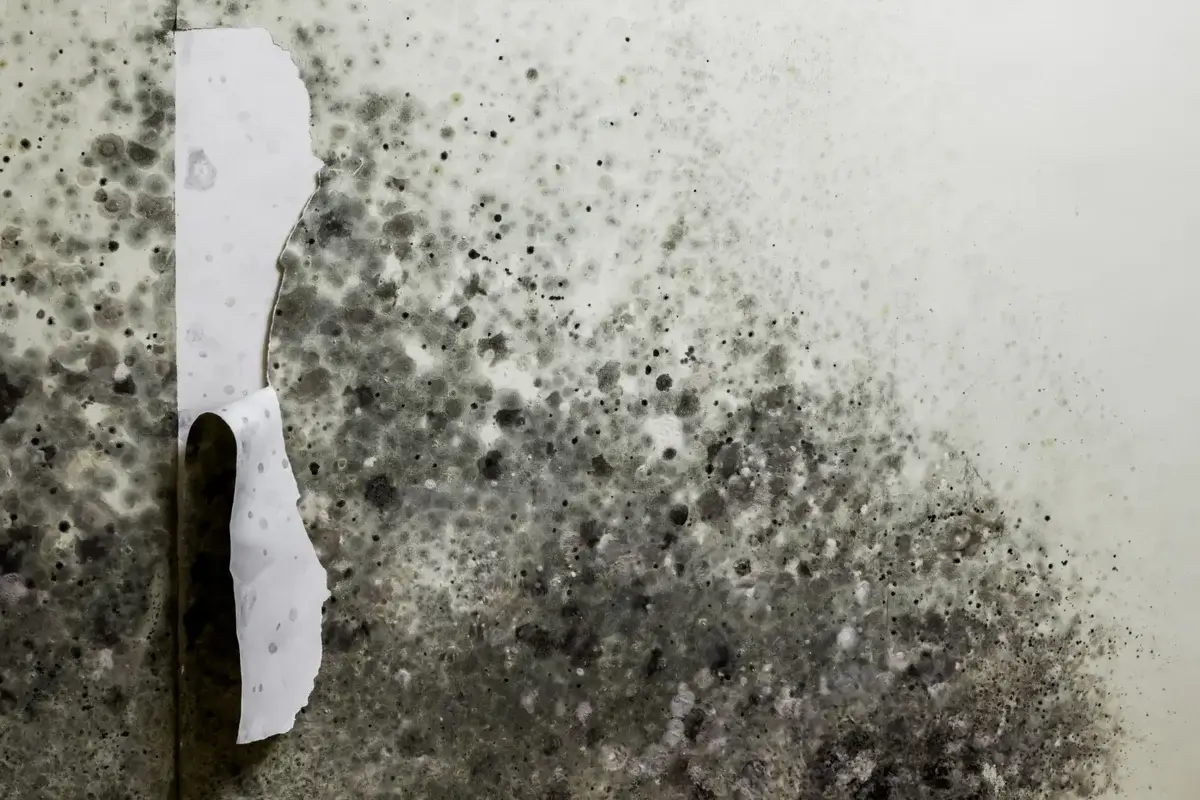
Many homeowners assume mold is just an unsightly stain on a wall or ceiling. In reality, black mold can be a warning sign of a much larger moisture problem that may affect your home’s condition and indoor air quality.
While all mold infestations warrant prompt remediation, understanding what black mold is, identifying its symptoms, and recognizing the underlying health risks will help you take the right steps to safeguard your home & family before the problem becomes more serious.
What Is Black Mold
When people refer to black mold, they’re usually talking about a type of mold called Stachybotrys chartarum. It commonly grows in areas that have remained damp for an extended period, especially on materials such as drywall, wood, paper, insulation, and ceiling tiles after leaks, flooding, or excessive humidity.
Despite its reputation, black mold isn’t the only type of mold that can grow indoors. Other common molds, including Aspergillus, Penicillium, and Cladosporium, can also appear dark in color and thrive in damp environments.
According to the Centers for Disease Control and Prevention (CDC), the color or type of mold isn’t what matters most. Any mold growing inside your home should be addressed promptly, as it can affect indoor air quality and indicate an underlying moisture problem that needs to be resolved.
Is Black Mold Dangerous? Understanding the Health Risks
The short answer is yes, but the level of danger depends heavily on the duration of exposure, the concentration of airborne spores, and the individual’s baseline health.
For a healthy adult, brief exposure might only trigger minor, temporary irritation. However, prolonged exposure to black mold or living in a highly contaminated environment can lead to chronic health issues. The risks multiply significantly for vulnerable populations, including:
- Infants and children
- The elderly
- Individuals with pre-existing asthma or Chronic Obstructive Pulmonary Disease (COPD)
- Immunocompromised individuals (such as those undergoing chemotherapy or living with autoimmune disorders)
Exposure to black mold can cause a range of health problems, particularly for those with respiratory issues or weakened immune systems. In severe cases, particularly among highly immunocompromised individuals, inhaling these spores can lead to a serious fungal infection in the lungs known as mycoses.
Black Mold Symptoms: How To Recognize The Signs
Because mold spores are microscopic and easily become airborne, they primarily target the respiratory tract and the immune system. Black mold symptoms can easily be mistaken for a persistent common cold or seasonal allergies.
If you or your family members experience the following symptoms, and they seem to intensify indoors but improve when you leave the house, indoor air pollution from mold may be the culprit:
- Allergic reactions: Sneezing, runny nose, itchy eyes, or skin rashes.
- Fatigue: Feeling constantly tired or lethargic.
- Headaches: Persistent headaches or migraines.
- Nausea: Symptoms include vomiting, especially in people with sensitive immune systems.
- Memory issues: Some individuals experience memory-related and concentration issues.
Comparing Black Mold with Other Common Household Molds
| Mold Type | Common Appearance | Preferred Growth Surfaces | Primary Health Risks & Effects |
|---|---|---|---|
| Stachybotrys chartarum (Black Mold) | Dark green or slimy black | Drywall, wood, paper, ceiling tiles (requires high, continuous moisture) | Produces mycotoxins; severe respiratory distress, chronic allergies, heightened risk for asthmatics. |
| Aspergillus | Green, yellow, or white | Food, air conditioning ducts, damp walls | Can cause aspergillosis (a severe fungal infection) in immunocompromised individuals. |
| Cladosporium | Olive-green, brown, or black | Carpets, fabrics, wood, wallpaper | Highly allergenic; triggers severe allergic rhinitis and asthma attacks. |
| Penicillium | Blue or green | Water-damaged carpets, insulation, wallpaper | Readily releases airborne allergens; causes sinus infections and inflammation along the respiratory tract. |
How To Protect Your Home & Health
The Environmental Protection Agency (EPA) emphasizes that the key to mold control is moisture control. If you spot visible patches or smell a persistent, musty odor, follow these standard safety protocols:
- Fix the Moisture Source Immediately: Repair plumbing leaks, seal roof cracks, and resolve basement seepage. Mold can begin reproducing within 24 to 48 hours of water exposure.
- Regulate Relative Humidity: Keep your indoor humidity levels between 30% and 50% using dehumidifiers and air conditioners. Ensure bathrooms and kitchens are properly vented to the outdoors.
- Consult Professionals: Seek a professional mold removal service to handle bigger mold infestations. Professionals have the necessary tools and knowledge to safely remove black mold and ensure it doesn’t come back.
Keep Indoor Environment Safe
Black mold is far from a harmless nuisance. Health risks associated with black mold make it dangerous and require a serious approach. Whether it causes respiratory issues, allergies, or more severe complications, black mold can significantly impact your health and quality of life.
If you suspect black mold in your home, don’t wait. Your family’s well-being demands immediate action to eliminate mold. Quick resolution of the problem minimizes the long-term effects of mold growth.
Take immediate action whenever you suspect black mold or water damage inside your house. Elite Inspections offers professional mold inspection and remediation services to help you identify and safely remove any mold, including black mold. Contact us now to schedule a mold inspection with our qualified experts.


