

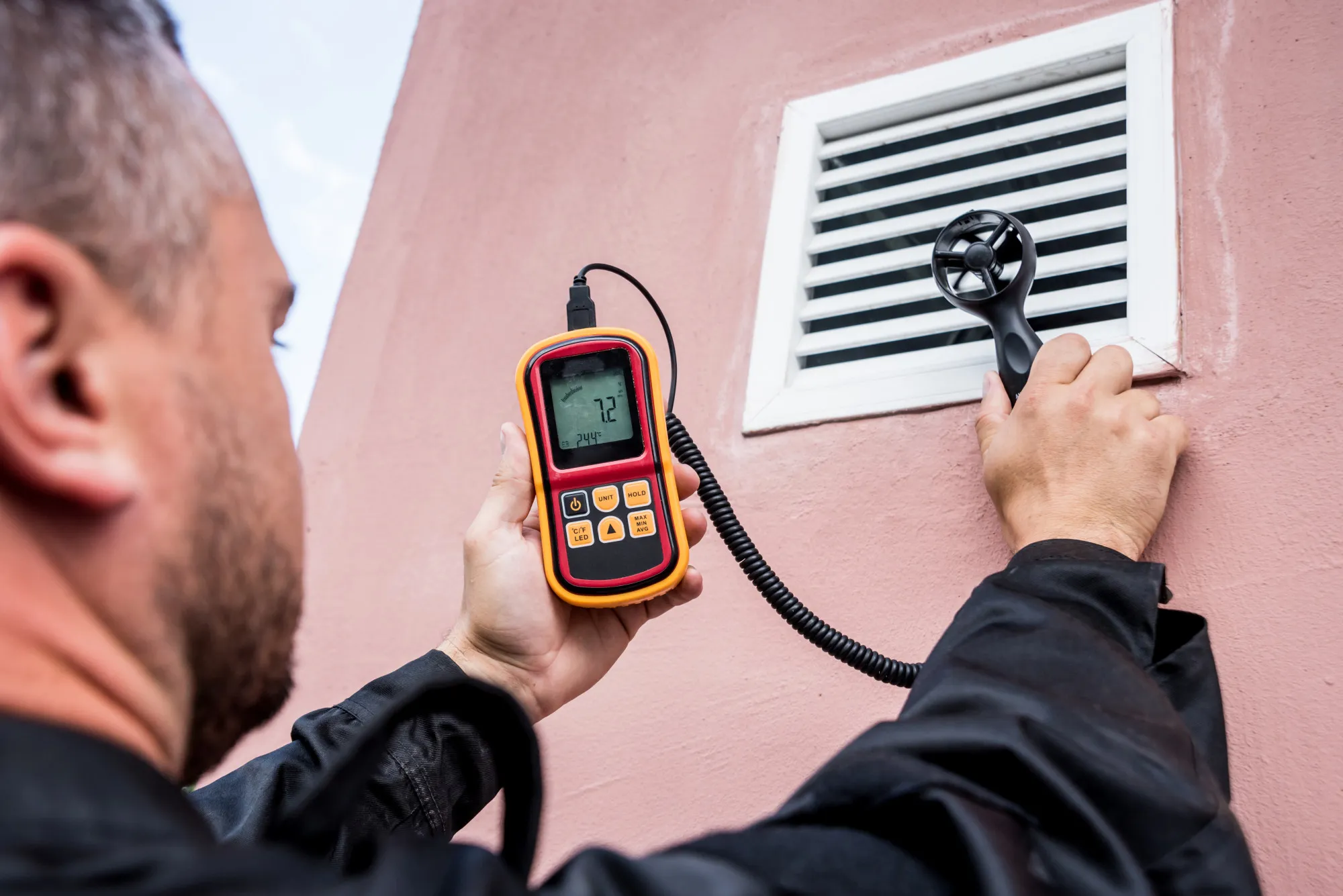
During a home inspection, major concerns are cracks in the foundation or an aging roof. However, there is one shocking and disturbing fact here. The U.S. Environmental Protection Agency states that indoor air quality may be 2 to 5 times worse than outdoor air quality. During wildfires, which are most prevalent in California, the number might rise further in homes.
That is why indoor air quality and ventilation are becoming a bigger deal in 2026 California home inspections. Buyers are asking new questions. Inspectors are paying more attention. And sellers are being taken off guard.
This blog explains what is changing, why it matters to your health and wallet, and how understanding indoor air quality and ventilation can help you.
Why Indoor Air Quality Suddenly Matters More
California homes are tightly built. Very nice for saving energy. Not so great for airflow. Pollutants become stagnant when the air cannot move in or out. Dust, moisture, chemicals, and allergens accumulate over time. Poor indoor air quality and ventilation can lead to headaches, allergies, breathing issues, and even mold growth.
In 2026, inspectors are paying more attention to it, as health factors are guiding buyers’ choices.
What Inspectors Look for During Air Quality Checks
The home inspections do not involve medical examinations. But inspectors do assess conditions that impact indoor air quality and ventilation.
They often check:
- Signs of moisture or mold.
- Bathroom and kitchen exhaust fans.
- Attic ventilation and airflow.
- HVAC filters and duct conditions.
- Fresh air intake points.
A stuffy air is no longer a minor note. It can affect negotiations or repair requests.
The Climate in California Makes it Difficult to Ventilate
Homes in California have special problems. Wildfire drives smoke into the house. Humidity on the coastline promotes mold. The heat in the country keeps the windows closed for months.
That makes home ventilation systems critical. Natural airflow is not adequate anymore. Mechanical ventilation systems help bring filtered outdoor air and push stale air out. When systems fail or are absent, inspectors pay attention.
The Health Hazards Buyers are Concerned With
Customers are more health-conscious than ever. Indoor air quality and ventilation affect:
- Asthma and allergies.
- Sleep quality.
- Long-term respiratory health.
According to the EPA, poor indoor air quality is linked to increased respiratory symptoms and illness. That is common knowledge now, and buyers take it into account in their decisions.
How Home Ventilation Systems Fit Into Inspections
Ventilation systems vary in size and complexity.
Inspectors commonly see:
- Bathroom fans that vent into attics rather than outward.
- Dislodged and obstructed ducts.
- Obsolete systems that are not living up to the standards.
- No intake of fresh air in airtight houses.
Newer houses in California tend to use mechanical systems to support the healthy flow of air. When those systems are missing or broken, the impact on indoor air quality and ventilation becomes a real concern.
Real-Life Story: Why Mega Brands are Concerned with Air Quality
Throughout the COVID era, companies such as Google and Apple have invested heavily in improving indoor air quality in their offices. Google announced that it had enhanced filtration and ventilation systems to improve air circulation and minimize aero-biological risks.
Although the office is not a home, the message is obvious. Clean air matters. People pay attention.
Such an attitude has been carried over into housing.
Mold: Still the Biggest Red Flag
Damp air is trapped when it is unventilated. This feeds mold growth behind the walls, sinks, and in the attic. The health effects are not diagnosed by inspectors. They do record conditions that permit mold growth.
Whenever mold is found in an inspection report, customers usually insist that it be tested or remediated.
What Sellers Can Do Before Inspection Day
In California, if you are selling a house, little steps will go a long way.
Before inspection:
- Replace HVAC filters.
- Test all exhaust fans.
- Ensure vents lead outside.
- Control visible moisture issues.
- Clean air returns and grilles.
Improving indoor air quality and ventilation can help your home show better and reduce buyer concerns.
What Buyers Need to Care About
Airflow cannot be overlooked by the buyers.
During walk-throughs and inspections, ask about:
- Fresh air circulation.
- Bathrooms and kitchens ventilation.
- Odors or damp smells.
- Indications of past moisture issues.
These hints usually speak more than cosmetic flaws.
Why This Trend Will Continue to Grow
California continues to lobby for energy efficiency and smaller homes. Meanwhile, health consciousness continues to increase. That makes indoor air quality and ventilation a lasting inspection focus, not a passing trend.
Houses with a sensible amount of energy consumption and adequate air circulation will be unique. Others who fail to do so will struggle.
Final Thoughts
Indoor air quality and ventilation were once overlooked. In California, they will be under the spotlight during home inspections in 2026. Clean air is not a luxury. It is part of a healthy home. Knowing how the ventilation system works and what inspectors look for will place you ahead of others, whether you are selling or buying a home.
Elite Inspections would be happy to provide an inspection beyond a checklist.
We understand how indoor air quality and ventilation affect California homes and everyday life. We assure you that we check the safety, health, and overall comfort of your homes, not just a surface check.
Call us now to schedule your inspection and relax, knowing your home has been inspected.


