

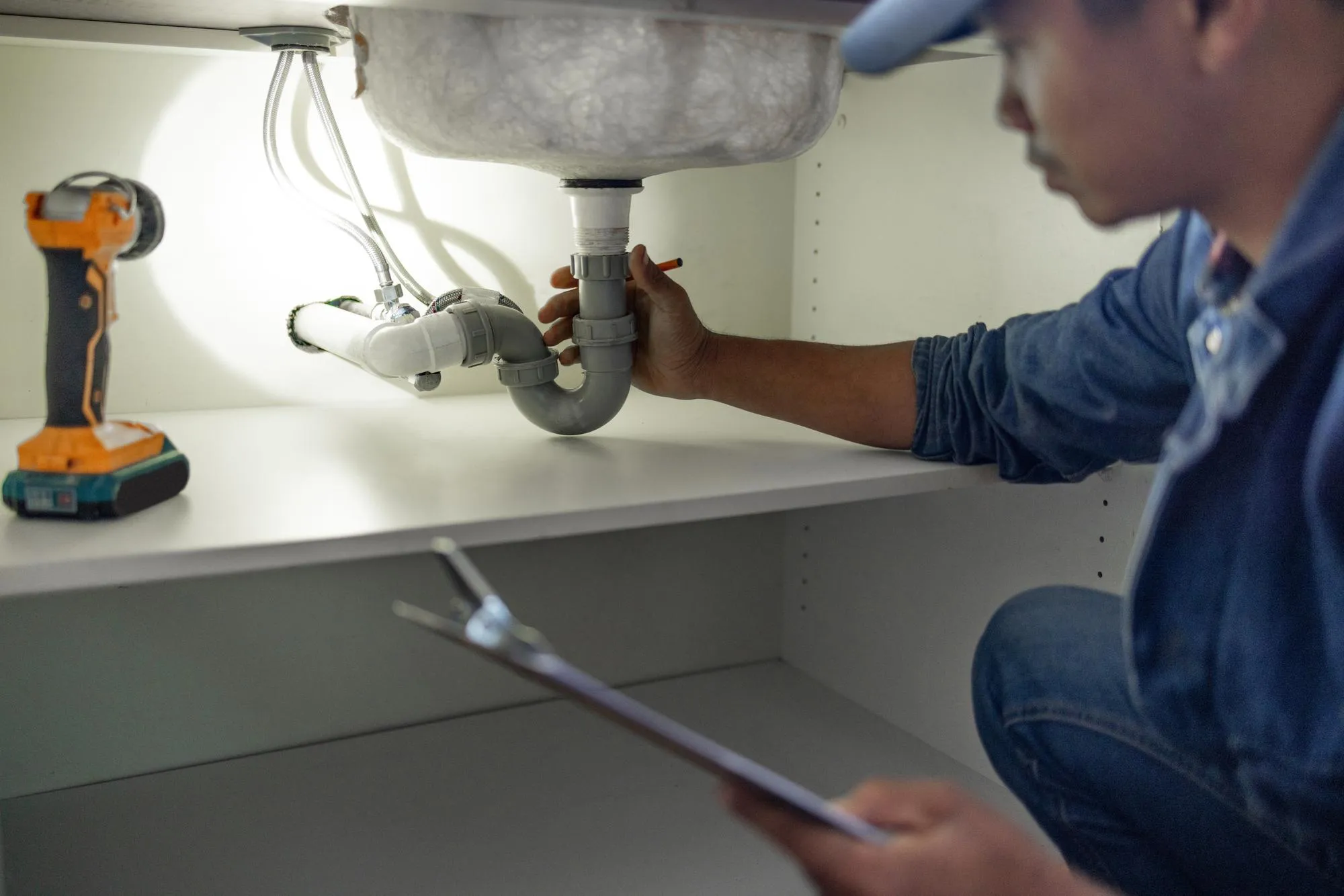
The most significant cause of mold inside homes today is faulty plumbing. Plumbing issues often start quietly, behind walls or under floors, where homeowners can’t see them.
By the time mold becomes visible, the damage has already been happening for weeks or even months. It is essential to have a plumbing inspection to address moisture intrusion and a mold inspection to prevent it from spreading.
Why Faulty Plumbing and Mold Are Linked
Homes today are being built tightly for energy efficiency. This practice is excellent for lowering bills, but not for dealing with moisture. When plumbing issues occur, moisture can trap more quickly. A minor leak that would’ve dried out in an older, drafty home can now linger and fuel mold growth in modern construction.
That’s the reason why scheduling regular plumbing inspection and mold inspection services is crucial for preventing hidden damage, especially after:
- Recent renovations
- Storms or power outages
- Appliance replacements
- Signs of moisture problems
If problems related to the plumbing system remain unaddressed, the higher moisture levels create a breeding ground for mold and can also cause damage to the home’s structural components.
How Plumbing Issues Cause Mold Growth
Plumbing failures are known as primary mold culprits. If you want to protect your home from mold, you must fix the plumbing system first. Here is how it is related to mold:
1. Slow Leaks Go Unnoticed for Weeks or Months
Not all leaks announce themselves with dripping sounds or puddles on the floor. In reality, the most dangerous leaks are the ones you don’t see:
- Pinhole crack in a copper pipe
- A loose fitting behind a bathroom wall
- A slow drip under the kitchen sink
- A sweating or improperly insulated cold water line
Even a tiny leak can saturate drywall or wood framing, creating a moist, dark environment, exactly what mold loves. By the time you notice visible signs, mold colonies may already be well established. A routine plumbing inspection can catch these minor issues before they turn into full-blown mold growth.
2. Pipe Damage Behind the Walls
When pipes behind the walls are damaged, moisture can be trapped there for an extended period. Inside today’s home structure, layers of drywall, insulation, and flooring can easily trap moisture. That means a leak inside the wall or under the floor doesn’t have a chance to dry out naturally. Common hidden moisture traps include:
- Shower walls with small cracks in the grout
- Laundry rooms with leaking supply hoses
- Kitchens with slow-dripping drainpipes
- Pipes running through unventilated crawlspaces
This trapped moisture becomes mold’s favorite environment: dark, warm, and humid.
3. DIY Plumbing Fixes Often Fail Over Time
Many homeowners love quick fixes. There is nothing wrong with that. But when it comes to plumbing, small mistakes can turn into big moisture problems. Some of the most common mold-causing errors include:
- Using the wrong connector or pipe material
- Over-tightening fittings
- Temporary fixes with tape or sealants
- Incorrectly installed drains
- Forgetting to replace worn-out gaskets or washers
These issues often don’t fail immediately. Instead, they start with tiny leaks that worsen slowly, creating long-term moisture problems that eventually lead to mold.
4. Appliances & Fixtures Can Leak Without Warning
We trust our appliances to work quietly in the background, but they’re actually some of the most common sources of hidden leaks:
- Dishwashers
- Refrigerators with ice makers
- Water heaters
- Washing machines
- Under-sink filtration systems
A slow appliance leak can easily go unnoticed for weeks. By the time someone spots wet boards, warping, or moldy odors, moisture has already been trapped underneath flooring or cabinets.
These areas are the hardest to dry out on their own, meaning mold moves in fast and quietly. A mold inspection can reveal the early stages of growth long before you notice visual signs.
5. Older Plumbing Systems Are More Likely to Fail
As homes age, the pipes behind the walls deteriorate as well. Common age-related plumbing issues include:
- Corroded metal piping
- Brittle PVC
- Worn-out valves and connectors
- Previous leaks that were patched, not repaired
- Old drains that no longer seal properly
Even minor deterioration can cause slow leaks that become long-term moisture problems, on which mold thrives. An older home doesn’t automatically mean mold trouble, but it does mean homeowners need to be more proactive with periodic plumbing inspections.
Wrapping It Up
Mold doesn’t just show up. It grows because something is feeding it, and more often, it is water from faulty plumbing. Whether it’s a slow leak, a loose fitting, aging pipes, or a failing appliance, plumbing issues are now among the top causes of mold growth in homes.
The earlier you detect the moisture, the easier it is to prevent mold. A plumbing inspection helps catch problems early. Similarly, a mold inspection allows you to detect and address it, so nothing harmful keeps growing in your home.
Get mold testing from Elite Group Inspections to find out if your plumbing system is a cause of mold growth in your home.


