

When you find out your potential new home has a swimming pool, you get excited. You immediately start imagining poolside fun and quality family time, like barbecue parties.
However, do you know that many residential pools may have serious hidden issues that you may discover weeks or perhaps months after closing? Slow drips, defective plumbing, worn-out wiring, and structural cracks are common issues in swimming pools and can be costly to repair. That pool dream can turn into a financial and security nightmare.
That’s why a complete pool & spa inspection before you buy a home with a pool is not just smart, it might save you from a major regret. In this blog, we’ll walk you through exactly why hidden pool defects are increasingly a deal-breaker for homebuyers. We will discuss the actual issues people struggle with, their expenses, and how the proper checkup prevents them.
Why Hidden Defects in Pools Are So Common
First, let’s try to find out why there are so many hidden issues in pools.
Pools are complex
A pool is not merely a container of water. It is a concrete or vinyl structure with underground plumbing, electrical components, pumps, filters, and heaters, all of which are subject to wear and breakage.
Minor technical problems, such as surface cracks or loose plumbing fittings, may deteriorate with time. Think cracks in the plaster, liners, or tiles, leaks, defective drain cover, faulty filters or heaters, and obsolete or broken electrical wiring. These issues can worsen in a poorly maintained residential pool.
Soil, water, weather, and chemistry
If a pool is built on potentially shifting ground or in an area with significant temperature or rainfall variations, this may strain the pool shell. Ground movement may result in cracks or even shifts in the structure, which remain unseen until water leaks begin to appear in the ground.
Inappropriate water chemistry, i.e., unbalanced pH, excessive chlorine, bad maintenance, etc., also damages plaster and concrete over time, increasing wear rate or creating surface damage.
What Can Go Wrong and How It Affects You
Here’s a breakdown of common hidden pool defects that become deal-breakers for homebuyers:
Leaks or cracks in the shell
Even minor cracks in the shell, floor, or walls can cause water leaks. With time, it may lead to soil erosion, sinking decks, or a collapsing pool shell. Major repairs may be required if the problem isn’t addressed.
Plumbing leaks under the deck or underground
The connecting pipes between the jets and pumps are underground. In the event of a joint failing or a pipe cracking, you may not realize it is leaking until you notice inflated bills, low water pressure, or damage.
Broken or damaged equipment (pumps, heaters, filters, and electrical elements)
The pump or heater of a pool may seem to be operational, though when seals, valves, or filters are defective, the pool may consume more power, fail to circulate, or leak – dangers to both safety and comfort.
Harmful electrical installations or obsolete parts
Pools can be hazardous when the wiring is aged, the outlets are not grounded, or the pool lights are faulty. These specialized pool components are usually overlooked in a routine pool check-up.
Issues with decking or tiles surrounding the pool
Unbalanced decks, loose stones, cracks in coping, all these may begin small, eventually turning into a trip hazard, or even water infiltration under the pool area.
These issues are expensive, as seen in real life. The average pool repair costs between $300 to $2,000, with major repairs and remodeling going up to $30,000. That is a bitter pill for most consumers to accept, particularly when they had not planned on it.
Why is this becoming a Deal-breaker to home-buyers
So, what’s with pool issues that they are turning into potential deal-breakers when buying a home? Let’s find out.
Buyers are more aware now
There is so much information on the internet, and many buyers are aware of horror stories about pools. They do not want to assume potential liability. It will be a deal-breaker when a buyer learns that thousands of dollars will be spent on repairs or safety hazards, and the seller does not mention them.
Home inspections don’t include pools
Unless previously agreed or specifically included, standard home inspections typically do not involve checking pools.
That’s why sellers who preemptively get a full pool & spa inspection tap into a significant advantage. They can demonstrate to buyers that the pool is safe, sound, and well-maintained. In its turn, buyers develop confidence that they will not buy a money pit.
What Precautions Can You Take to Guard Yourself
Here’s what you can do to safeguard your interests and avoid buying a problematic residential pool.
Always insist on a full pool & spa inspection before buying
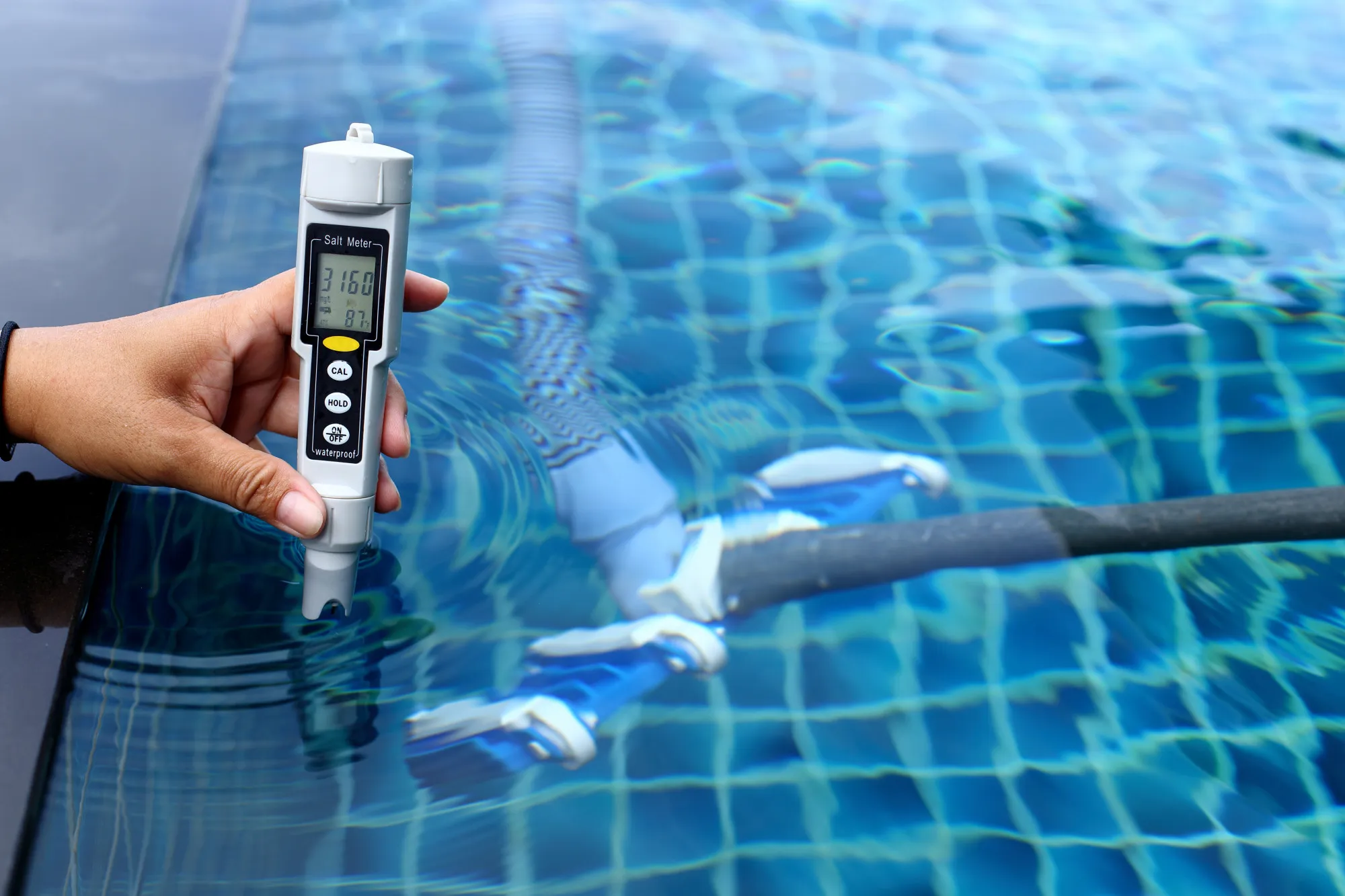
This step should not be overlooked if you are seriously considering a house with a pool. Contract a certified pool inspector. They will test the shell and plumbing, equipment, electrical wiring, safety considerations, such as drain covers and fencing, to name a few.
Negotiate, or walk out
If the inspection reveals cracks, leaks, old components, or safety concerns, you have bargaining power. Request that the seller repair them, split the repair costs, or reduce the price. If the defects are too severe, it may be a good idea to walk away.
Think long-term, beyond aesthetics
A pool may seem idyllic on a house tour, with clear water and white tiles. And still, that is nothing about what is under the surface. Unreliable defects can imply continuous maintenance nightmares, unwelcome water bills, and more serious problems, such as safety hazards to children and guests.
Conclusion
Pools can be amazing assets; a place for family fun, relaxation, and raising the home value. But when hidden defects lurk beneath the surface, that asset can quickly turn into a liability.
Ignoring pool issues is a gamble. And for many buyers, that gamble isn’t worth it. A professional pool & spa inspection offers clarity, reveals hidden problems, and helps you avoid expensive surprises down the road.
If you’re looking at a home with a pool, don’t gamble on luck or appearances. Protect yourself and your investment.
If you’re thinking of buying a home with a pool or spa, act now. Contact Elite Inspections for a thorough, expert pool & spa inspection. Don’t close on any home until you know exactly what you’re getting. Make sure your dream pool remains a source of joy, not regret.


