

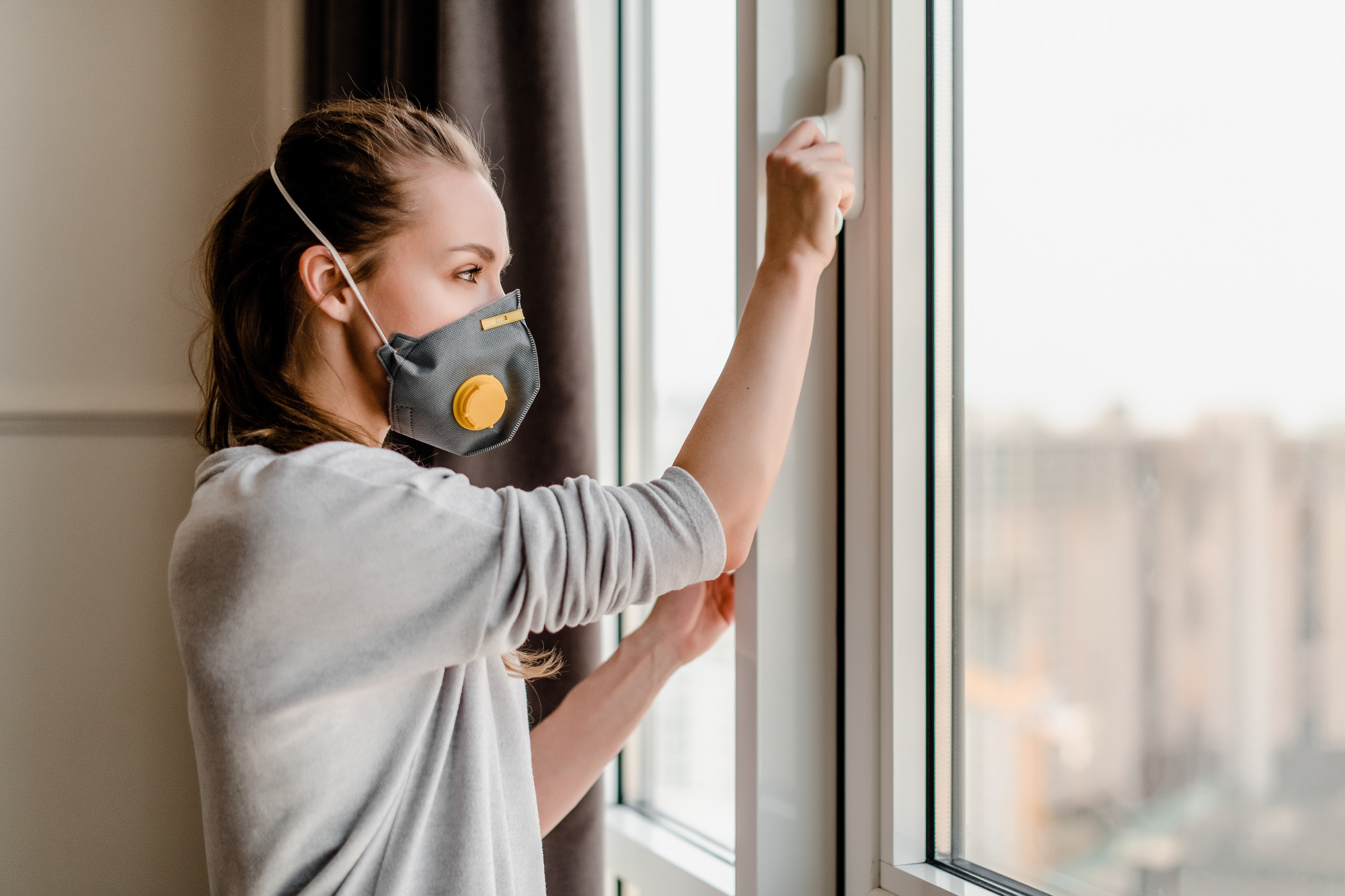
The air inside your home is likely two to five times more polluted than the air outside. That is a staggering fact from the Environmental Protection Agency (EPA).
Most of us spend about 90% of our lives indoors. If your home has hidden pollutants, you are breathing them every single minute. This can lead to headaches, constant fatigue, or even chronic respiratory issues.
Testing indoor air quality is essential for maintaining a healthy home environment. This guide highlights key airborne warning signs to watch for, providing practical steps to protect household health and ensure every breath is a clean one.
Why You Need a Residential Air Quality Inspection
Most people think of home inspections as checking for leaky pipes or bad wiring. While those are important, they do not tell you what is happening in your lungs. Invisible threats like mold spores and chemicals often hide behind freshly painted walls.
Buying a house without an indoor air quality test is like buying a car without checking the engine. It might look great on the outside, but the internal parts could be failing.
A professional inspection identifies these silent triggers before they become expensive nightmares. You get peace of mind knowing the air your kids breathe is clean.
Hunting for Hidden Mold Spores
Mold is one of the biggest reasons people request an indoor air quality test. It loves dark, damp areas like crawl spaces or the space behind your dishwasher. Even if you do not see fuzzy black spots, the spores can still be present in the air.
In 2019, a massive mold outbreak in a Seattle Children’s Hospital showed how dangerous these spores can be. While that was a large building, the same biological growth happens in residential basements.
Inspectors use moisture meters to find wet spots where mold might be breeding. They also take surface samples to see if the growth is active.
Catching this early prevents structural damage and keeps your allergies in check.
Tracking Volatile Organic Compounds (VOCs)
Have you ever noticed that new-house-smell after a renovation? That scent is actually the off-gassing of chemicals known as VOCs. They come from paints, new carpets, and even some types of pressed wood furniture.
A residential air quality inspection focuses heavily on these chemical levels.
If those chemical levels get too high, you might feel woozy or sick to your stomach. The check shows if your home actually breathes well enough to get rid of that gunk. This really matters if you just put in new cabinets or fresh wood floors.
Real World Lessons: The Formaldehyde Crisis
In 2015, a major scandal hit the flooring industry that changed how we think about home air. A report by CBS News 60 Minutes revealed that a company was selling laminate flooring with high levels of formaldehyde.
This chemical is a known carcinogen and was off-gassing into thousands of American homes. Families reported their children were getting sick without a clear explanation.
An indoor air quality test was the only way these homeowners found the truth. This incident proved that even brand-new materials can be dangerous.
It highlights why professional testing is a vital safety net for any homeowner.
Checking for Carbon Monoxide and Radon
Radon is a colorless, odorless gas that seeps up from the soil beneath your foundation. According to the CDC, it is the second leading cause of lung cancer in the United States. You cannot see, smell, or taste it, so testing is the only way to find it.
Inspectors place specialized canisters in your lowest living level to measure radon levels. They also check your furnace and water heater for carbon monoxide leaks.
Carbon monoxide is a silent killer that can build up if your appliances are not venting right. Ensuring these two gases are at safe levels is a non-negotiable part of a home safety check.
Simple Ways to Improve Your Home’s Air Today
While you wait for a professional to arrive to conduct an indoor air quality test, you can take a few small steps.
- Open your windows for at least ten minutes a day to get fresh air moving.
- Switch to a high-quality HEPA filter in your HVAC system and change it every three months.
- Avoid using heavy perfumes, scented candles, or harsh chemical cleaners.
- Keep your humidity levels between 30 and 50% to discourage mold growth.
These habits help, but they are not a substitute for professional reading. A pro can tell you if these are actually doing anything or just adding moisture.
Secure Your Family’s Health With a Professional Report
An air quality inspection gives you a data-driven look at your living environment. You get a detailed report that breaks down every pollutant found in your home.
It also includes specific recommendations on how to fix any issues discovered. Knowing the truth about your air helps you make informed decisions for your family. You can stop guessing why you wake up with a stuffy nose every morning.
Instead, you can take action and turn your house back into a healthy sanctuary. Investing in this test today prevents health problems and expensive repairs later on.
Keep Your Family Safe Every Day
You can finally do something to make your home feel like a safe spot again. Checking things now saves you from massive medical bills and home repairs later. If you want to know for sure your home is safe, call Elite Inspections.
We are a professional home inspection company that looks where others do not. We find the hidden problems that mess with your daily life before they get worse. Get in touch with us today to book your visit.


