

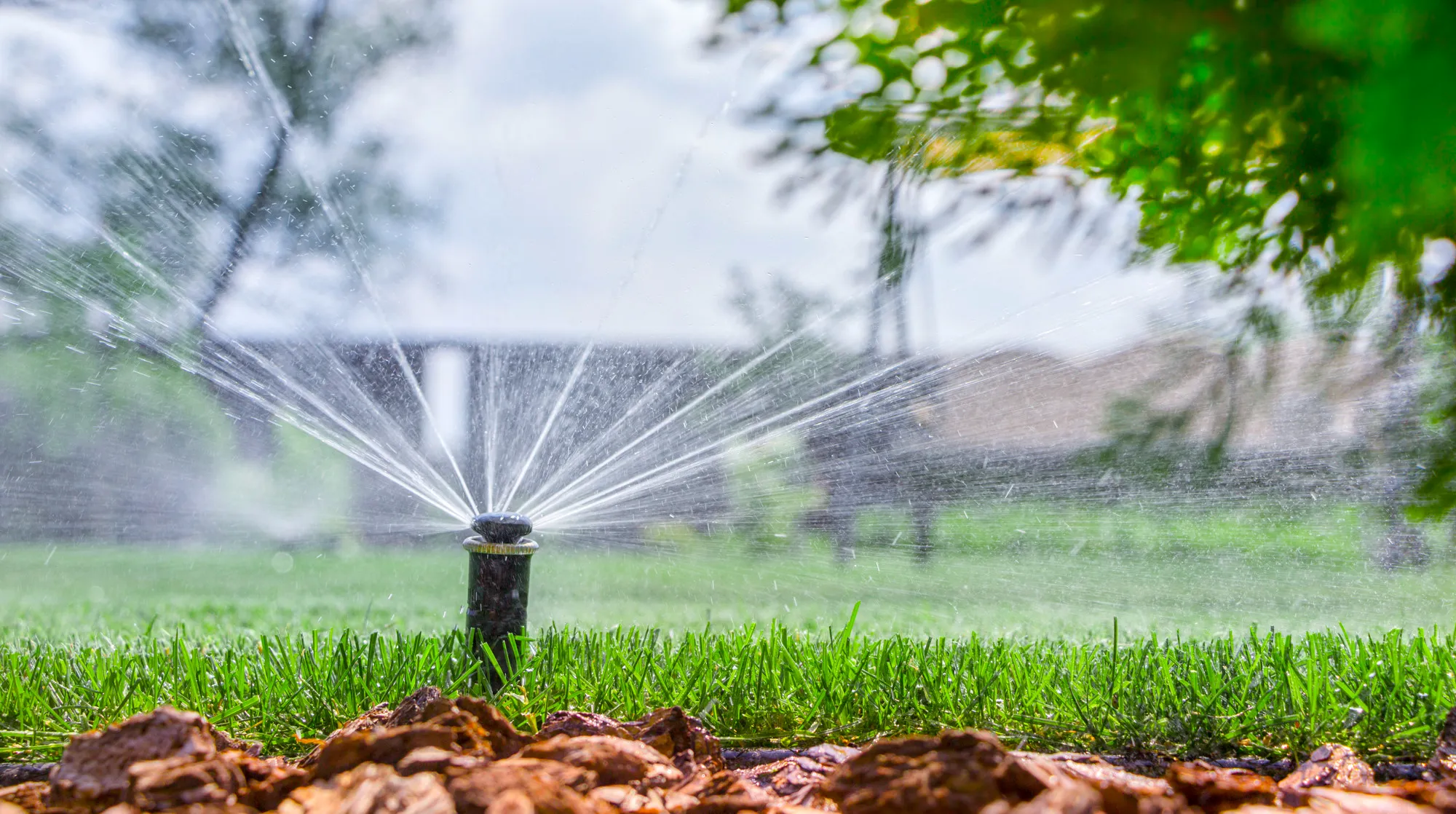
Just think about problems with the irrigation system. You may imagine broken pipes or flooded landscapes. But the initial signs are basic: wasted water, stressed plants, and bills that creep up just enough to avoid attention.
Over time, those small inefficiencies add up to major repairs. Every property owner and manager must be aware of the signs of a failing commercial irrigation system. It can help to make budget-friendly fixes.
Why Commercial Irrigation Systems Fail Over Time
Even well-designed irrigation systems aren’t set-and-forget. Systems that are not checked and maintained regularly are likely to fail early. Commercial properties place a heavy load on the irrigation system because of:
- Large coverage areas
- Multiple watering zones
- Seasonal programming changes
- Exposure to weather, traffic, and soil movement
A system that has become problematic once and the issue remains unattended is likely to fail the system in the future. It’s always the small issues that compound, causing bigger failures.
Signs of Irrigation System Failure
When a problem starts with the commercial irrigation system, it shows initial signs. Catching them earlier, you can fix the issue and prevent system failure. Here are some signs to notice:
-
Uneven Watering Across Landscaped Areas
One of the earliest and most visible signs of trouble is uneven watering. You might have noticed dry or brown patches next to overly saturated areas. If you see plants thriving in one zone but declining in another, it means your irrigation system isn’t performing well. There can be:
- Clogged or damaged sprinkler heads
- Incorrect water pressure
- Poor system design or zone imbalance
In a failing commercial irrigation system, uneven coverage often worsens over time, stressing plants and increasing water usage as managers try to “water more” to compensate.
-
Rising Water Bills Without a Clear Explanation
If your water usage is increasing but your landscaping hasn’t changed, that’s a major red flag. Common issues behind it can be:
- Underground pipe leaks
- Broken valves
- Stuck-open zones
- Programming errors
Because many commercial irrigation lines run underground, leaks can go unnoticed for longer periods. By the time billing spikes, it is already obvious that thousands of gallons have been wasted. The U.S. Environmental Protection Agency (EPA) notes that irrigation leaks are one of the most common sources of water waste in commercial properties.
-
Constantly Running or Short-Cycling Zones
An irrigation system should operate on a predictable schedule. When zones behave erratically, it’s often a sign of mechanical or control issues. What to look for is:
- Zones that won’t shut off
- Systems that turn on outside programmed hours
- Rapid on-and-off cycling
These problems are frequently linked to faulty valves. If left unaddressed, they can lead to overwatering, resulting in landscape damage and water runoff.
-
Pooling Water, Runoff, or Soil Erosion
Standing water is never a good sign. Pooling often indicates broken components or improper spray patterns. You should check for:
- Puddles forming near sprinkler heads
- Water flowing onto sidewalks or parking areas
- Soil erosion around landscaped beds
Beyond landscape damage, runoff can create slip hazards. It increases the chance of liability, especially in high-traffic commercial environments.
-
Declining Plant Health Despite Regular Watering
When plants struggle even though watering schedules appear normal, it means water is not being delivered correctly. The following are some reasons of declining health of a plant:
- Inadequate root-zone saturation
- Overspray that never reaches plant bases
- Incorrect emitter placement in drip systems
Plants under irrigation stress often show yellowing leaves and increased susceptibility to pests. These are classic signs of irrigation system failure.
-
Broken, Sunken, or Misaligned Sprinkler Heads
In commercial properties, sprinkler heads take a beating. They can be damaged by:
- Lawn equipment
- Foot traffic
- Vehicles
- Soil settling
Damaged or sunken heads disrupt spray patterns, leading to dry spots and wasted water. It’s among the most frequently missed problems in commercial settings.
Why These Signs Are Often Overlooked
Irrigation systems operate quietly, usually early in the morning or overnight. That alone makes problems easy to miss. Other reasons include:
- Landscapes still “looking okay” initially
- Split responsibility between landscaping and facilities teams
- Lack of routine system audits
Unfortunately, by the time symptoms are obvious, damage is often already done. The only way to detect these signs earlier is by having an inspection.
Check What Needs Attention
A failing irrigation system rarely fails all at once. It whispers before it shouts. Recognizing the early signs of irrigation system failure helps property owners and facility managers take action before small issues become expensive problems.
The best way to catch problems early is by having an inspection. Get your inspection from Elite Inspections.


