

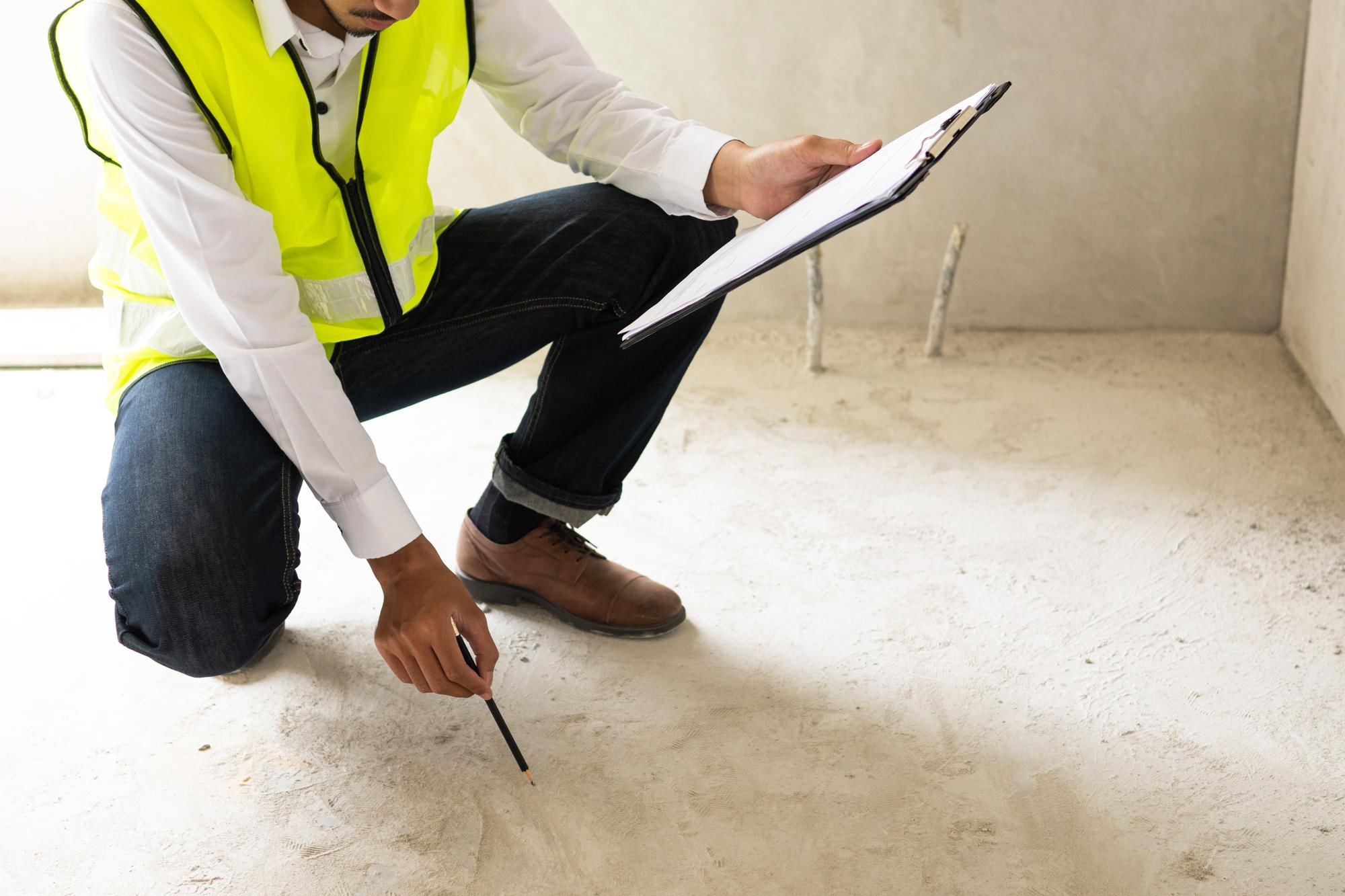
Out of all the areas in your house, the crawl space is easily the most neglected. It’s dark, cramped, and usually requires shimmying on your stomach to see what’s going on. Naturally, most homeowners prefer to leave it completely forgotten.
50% of the air you breathe on the first floor originates in your crawl space. Any moisture issue or pest infestation there can directly affect your health. It’s the main reason you should invest in crawl space inspection.
What Does a Crawl Space Inspection Include
Crawl spaces are tight and difficult to navigate; inspectors follow a strict, systematic checklist to ensure no corner is overlooked. A comprehensive inspection typically covers five main areas:
- Structural Integrity Check: The inspector will examine the wooden support beams, floor joists, piers, and the concrete foundation for signs of sagging, shifting, or wood rot.
- Moisture Assessment: Armed with moisture meters and thermal imaging cameras, the technician measures the air’s relative humidity and the wood’s moisture content. High moisture is the root cause of almost every major crawl space issue.
- Pest and Wildlife Check: Inspectors look for signs of termites, carpenter ants, mice, rats, and even larger wildlife (like raccoons or opossums) that may have nested under your home.
- Insulation and Vapor Barrier Review: They will verify if your fiberglass insulation is sagging or waterlogged and check the condition of your vapor barrier (the plastic sheeting on the ground) to ensure it is properly blocking soil moisture.
- Utility Inspection: The technician will inspect any plumbing lines, electrical wiring, or HVAC ductwork running through the space for leaks, loose wires, or poor insulation.
4 Common Crawl Space Problems Found During Inspection
When an inspector slides into that dark zone under your house, they are usually hunting for specific red flags. According to the International Association of Certified Home Inspectors (InterNACHI), crawl spaces are notoriously prone to hidden defects.
Here are the most common crawl space problems found during inspection:
-
High Moisture and Mold Growth
Because crawl spaces sit directly over the dirt, they naturally absorb moisture from the earth. If the space isn’t properly ventilated or encapsulated, this moisture pools on the ground and evaporates into the air. This creates a perfect environment for toxic mold to thrive on your wooden floor joists. Left unchecked, mold can ruin your indoor air quality and trigger severe respiratory issues for your family.
-
Sagging Floors and Wood Rot
When wooden support beams absorb too much moisture over a long period, they begin to soften and rot. Inspectors often find pith rot or wood-decay fungi eating away at structural columns. This makes your upstairs floors feel bouncy, uneven, or sloping.
-
Pest Infestations
Pests love crawl spaces because they offer shelter, water, and an endless buffet of wood. Termites and carpenter ants can quietly hollow out your home’s structural framing for years without you ever noticing. Additionally, rodents often shred fiberglass insulation to build nests, leaving behind hazardous droppings and urine that contaminate your home’s air supply.
-
Poorly Installed or Damaged Vapor Barriers
A vapor barrier is a thick plastic sheet designed to stop ground moisture from rising. Often, inspectors find that these barriers are either completely missing, too thin, or improperly taped. A damaged barrier allows gallons of water vapor to flood the space every day, accelerating wood rot and mold growth.
When Should You Schedule an Inspection
Proactive home care is always cheaper than emergency structural remediation. Here is a quick reference guide on when to call in a professional to look under your house:
| Scenario | Why It’s Important |
|---|---|
| Buying a Home | Standard home inspections might only glance inside. A dedicated look ensures you aren’t buying a house with hidden structural rot. |
| Musty Odors Indoors | If your home constantly smells like a damp basement, mold spores are likely traveling up through your floorboards. |
| Cupping Hardwood Floors | When your upstairs wood floors begin to warp or cup at the edges, it indicates excessive humidity directly beneath them. |
Protect Your Home From the Ground Up
Staying ahead of hidden damage in your home is the smartest way to keep your property safe and comfortable. If you notice any scenario indicating an issue in the crawl space, our team of licensed inspectors is here to help.
A crawl space inspection is about preventing thousands of dollars in structural and health-related repairs. Book now with Elite Inspections and know about your home’s foundational health.


