

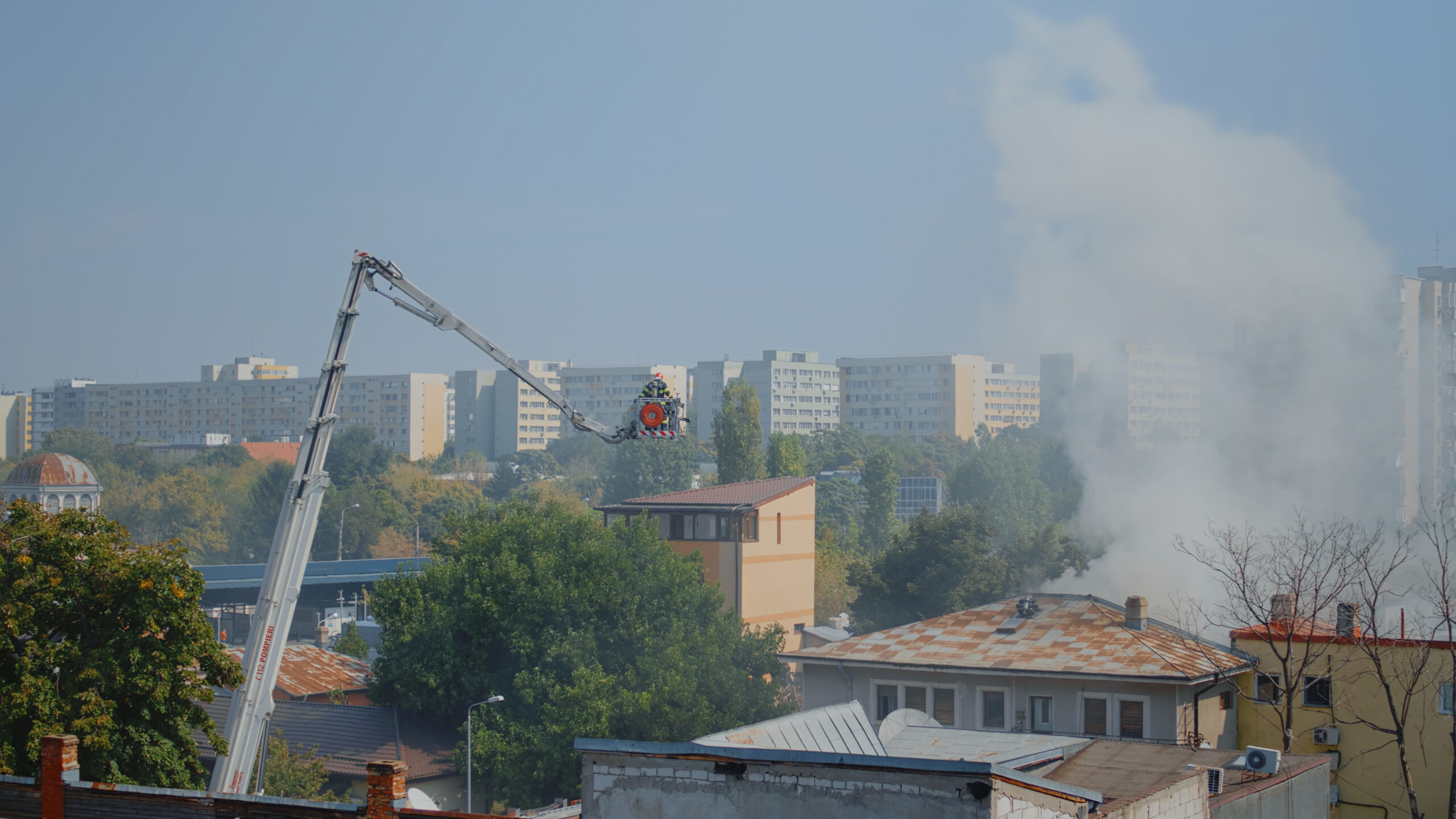
In many parts of the U.S., especially across the West Coast, early summer now comes with a new routine: checking air quality alongside the weather. Wildfire smoke has become a regular part of the season, and it doesn’t stay outside. Fine particles can move indoors through small gaps, ventilation systems, and everyday air movement.That’s what makes it harder to manage. Even when windows are closed, indoor air quality can still be affected. Preparing your home ahead of time can make a noticeable difference.
In this blog, we’ll look at practical ways to reduce smoke exposure indoors and keep your living space more comfortable during wildfire season.
Why Wildfire Smoke is a Silent Threat
You might think that closing your windows is enough to keep the bad stuff out, but wildfire smoke is incredibly persistent. It is made up of a mix of gases and fine particles, specifically PM2.5.
According to the U.S. Environmental Protection Agency (EPA), these microscopic particles can get into your eyes and respiratory system. They can cause health problems such as burning eyes, a runny nose, and illnesses such as bronchitis.
How Smoke Enters Your Home
Even in a well-built house, air is constantly moving in and out. Smoke typically finds three main ways into your living space:
- Natural Ventilation: This includes open windows and doors that we use to let in a “breeze.”
- Mechanical Ventilation: Bathroom fans, kitchen vents, or heating and cooling systems that draw in outdoor air.
- Infiltration: This is the “accidental” air that leaks through cracks in the foundation, gaps around window frames, or under door sweeps.
By identifying these weak spots now, you can create a much tighter seal for the upcoming summer months.
The Importance of Indoor Air Quality Testing
Before you start buying every air purifier on the shelf, it helps to know what you’re actually dealing with. This is where indoor air quality testing comes into play.
Many homeowners now use low-cost, smart air monitors that track PM2.5 levels in real-time. These devices give you a clear “score” for your air, showing you exactly when your indoor quality starts to dip.
Research from the California Air Resources Board suggests that monitoring your air is the only way to truly know if your filtration system is working. Without a monitor, you are essentially guessing whether your home is safe.
Prepare Your HVAC to Maintain Indoor Air Quality
Your HVAC system is essentially the lungs of your home. If the lungs aren’t healthy, the rest of the house suffers. Here is how to get it ready.
Upgrade Your Air Filter
Most standard filters are designed to catch large dust bunnies, not microscopic smoke. You want to look for a filter with a MERV rating of 13 or higher. This rating ensures the filter is dense enough to trap those tiny PM2.5 particles.
Check the Seal
Make sure the filter fits snugly in its slot with no gaps around the edges. If air can bypass the filter, the smoke will bypass it too.
Run the Fan Constantly
During a smoke event, set your thermostat to “On” rather than “Auto.” This keeps the air circulating through the filter continuously, even when the AC isn’t cooling the house.
Creating a “Clean Room” Sanctuary
If you have a large home, it might be difficult or expensive to keep every single room perfectly clear. Instead, experts recommend setting up a designated “Clean Room.” This should be a room where your family spends a lot of time, like a primary bedroom. Ensure this room has as few windows as possible and keep the door closed.
- Dedicated Purifier: Place a high-quality HEPA air purifier in this room.
- Minimize Activity: Avoid doing things in this room that create more particles, like vacuuming or burning candles.
- Seal the Gaps: Use a “door snake” or a rolled-up towel at the bottom of the door to prevent smoky air from the rest of the house from drifting in.
Habits That Help Keep Air Fresh
Preparation isn’t just about gadgets; it’s about how you manage your home daily. Here are a few “smoke season” habits to start practicing:
- Keep Windows Latched: Simply closing a window isn’t as effective as latching it. Latching creates a compression seal that blocks more air.
- Limit Exhaust Fans: Bathroom and kitchen fans pull air out of the house, which creates a vacuum effect that sucks smoky air in through cracks. Use them sparingly when the outside air is bad.
- Damp Mop Only: If ash does get inside, don’t use a broom. A broom kicks the ash back into the air. Use a damp cloth or mop to trap the particles so they can be washed away.
Signs Your Indoor Air Quality is Poor
Even without a high-tech monitor, your body and your home will give you clues that the wildfire smoke indoor air levels are too high. Watch out for:
- A persistent “dusty” or campfire smell inside.
- Itchy, watery eyes or a scratchy throat while indoors.
- A fine layer of gray or white ash on flat surfaces.
- Increased coughing or wheezing, especially at night.
If you notice these signs, it’s a clear indicator that your current filtration isn’t keeping up with the outdoor conditions.
Breathe Easier This Summer
Wildfire smoke may be out of your control, but what happens inside your home isn’t.
A few simple steps, like checking your filters, sealing gaps, and keeping an eye on indoor air quality, can make a noticeable difference during smoke season.
These small efforts help create a space where you can stay comfortable even when outdoor conditions aren’t ideal.
If you want a more detailed look at how your home handles air quality, Elite Inspections can help. A professional check can highlight where improvements matter most, so you can head into summer with fewer concerns.


