

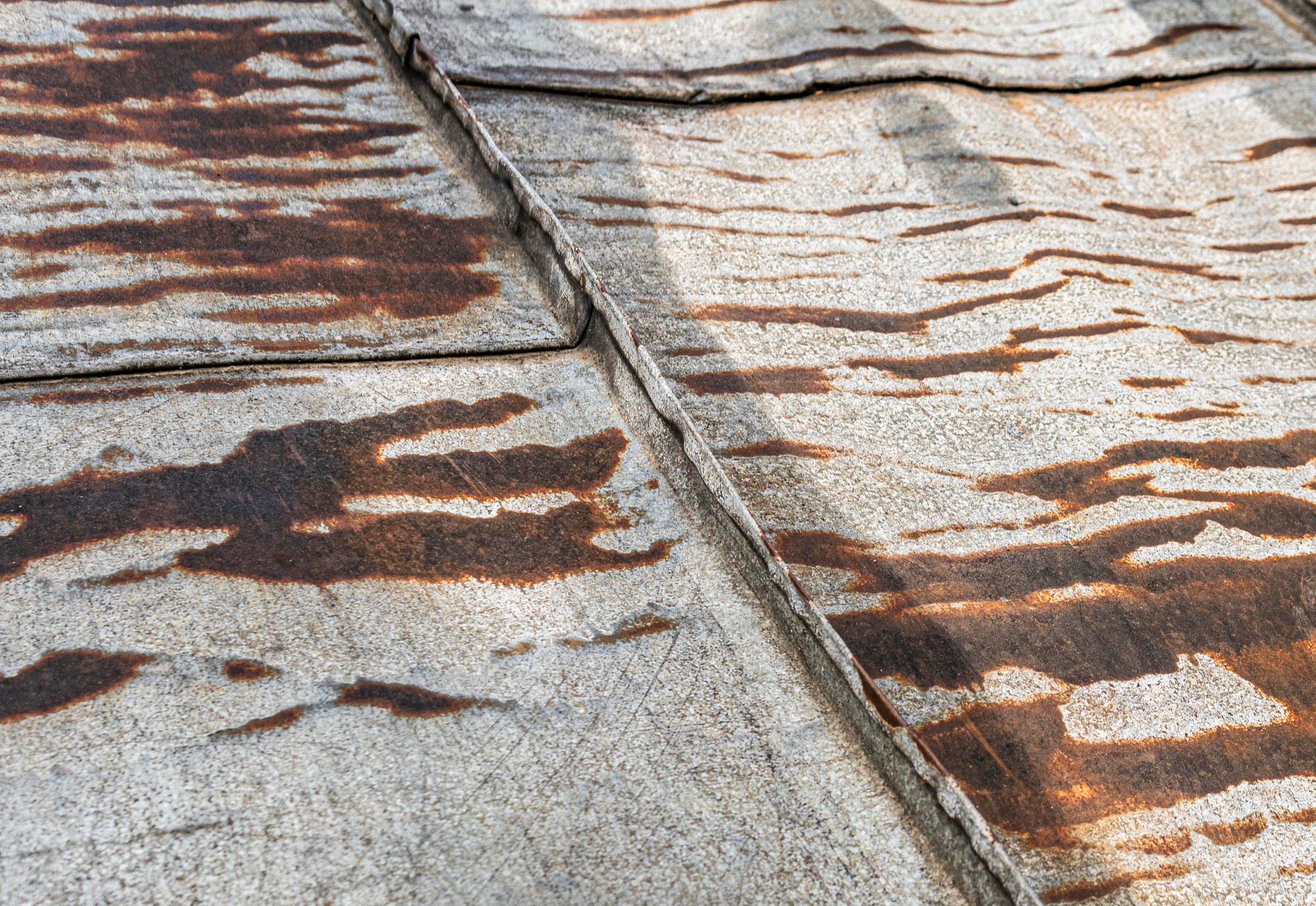
California summers are beautiful, with long days, clear skies, and plenty of sunshine. But while you’re enjoying the weather, your roof is absorbing it. And when it comes to summer heat roof damage California homeowners face, the effects are real, even if you don’t see them right away.
Let’s talk about what summer heat actually does to your roof, why it matters in California specifically, and when a roof inspection in California is much needed.
California Heat Isn’t Just Hot: It’s Intense
In many parts of California, roof surface temperatures can climb far beyond the air temperature. Conventional roofs can reach temperatures of 150°F or more on a sunny summer afternoon.
That kind of sustained exposure puts roofing materials under constant stress. And unlike other parts of your home, your roof doesn’t get shade or relief. It takes the full impact of:
- UV radiation
- Dry air
- Thermal expansion
- Seasonal heat waves
Over time, those factors accelerate wear.
How Summer Heat Roof Damage in California Happens
Heat damage doesn’t usually show up as a dramatic failure. It’s gradual, and that’s what makes it easy to overlook. Here’s what typically happens.
Shingles Dry Out and Become Brittle
Asphalt shingles contain oils that keep them flexible. Under intense UV exposure, those oils slowly break down. When shingles lose flexibility, they can:
- Crack
- Curl
- Lose protective granules
- Separate at the edges
Once that protective surface is compromised, the underlying layers become vulnerable.
Flashing and Sealants Break Down
Roof flashing around chimneys, vents, and skylights relies on sealants to stay watertight. Heat causes expansion during the day and contraction at night. That constant movement can cause:
- Sealant cracking
- Flashing separation
- Small gaps around penetrations
You might not notice an issue until the first heavy rain, and by then, moisture may already be entering.
Underlayment Can Deteriorate
Under your shingles sits a moisture barrier. Prolonged heat can weaken certain underlayment materials, especially in older roofing systems. Once both the surface and underlayment are stressed, your roof’s protective capacity decreases.
That’s the hidden side of summer heat roof damage California homeowners face.
Attic Heat Makes It Worse
Your attic ventilation system plays a major role in how well your roof handles heat. When attic ventilation is inadequate:
- Heat becomes trapped
- Shingles overheat
- Roof decking can warp
- Cooling costs increase
It’s the proper ventilation that allows hot air to escape. This can reduce stress on roofing materials. Unfortunately, many homes in California, especially older ones, have ventilation systems that were never upgraded for today’s extreme heat patterns.
Signs Your Roof May Be Affected by Summer Heat
Most heat-related damage starts small. But if you know what to look for, you can catch it early. Watch for:
- Shingles that look curled or cupped
- Bald spots where granules have worn off
- Cracked caulking around roof penetrations
- Slight sagging areas
- Increased indoor temperatures
- Higher energy bills
If you notice any of the above signs, get your roof inspected at the earliest. Ignoring them can make the condition of your roof worse.
Why a Roof Inspection in California Is Smart After Summer
Many homeowners wait until winter storms reveal a leak. That’s reactive. A proactive roof inspection in California at the end of summer allows you to identify:
- UV-related deterioration
- Flashing weaknesses
- Ventilation issues
- Minor cracks before they expand
- Areas vulnerable to upcoming rain
California’s dry summers are often followed by sudden seasonal rains. If heat has already weakened materials, water intrusion becomes much more likely.
Energy Efficiency and Cooling Costs
Here’s something homeowners don’t always connect: roof condition directly affects indoor comfort. When roofing materials degrade, they lose reflectivity and insulating performance. That can lead to:
- Higher attic temperatures
- More strain on HVAC systems
- Increased monthly utility bills
If your cooling costs spike every summer, your roof and attic ventilation may be part of the reason.
Protect Your Roof This Summer
Summer heat damages roofs, a problem California homeowners often deal with, and it develops quietly through gradual material breakdown and expansion stress.
Scheduling a roof inspection to assess summer damage can help you save your home before the rainy season. Book now with Elite Inspections and know what extreme weather has left for you.


