

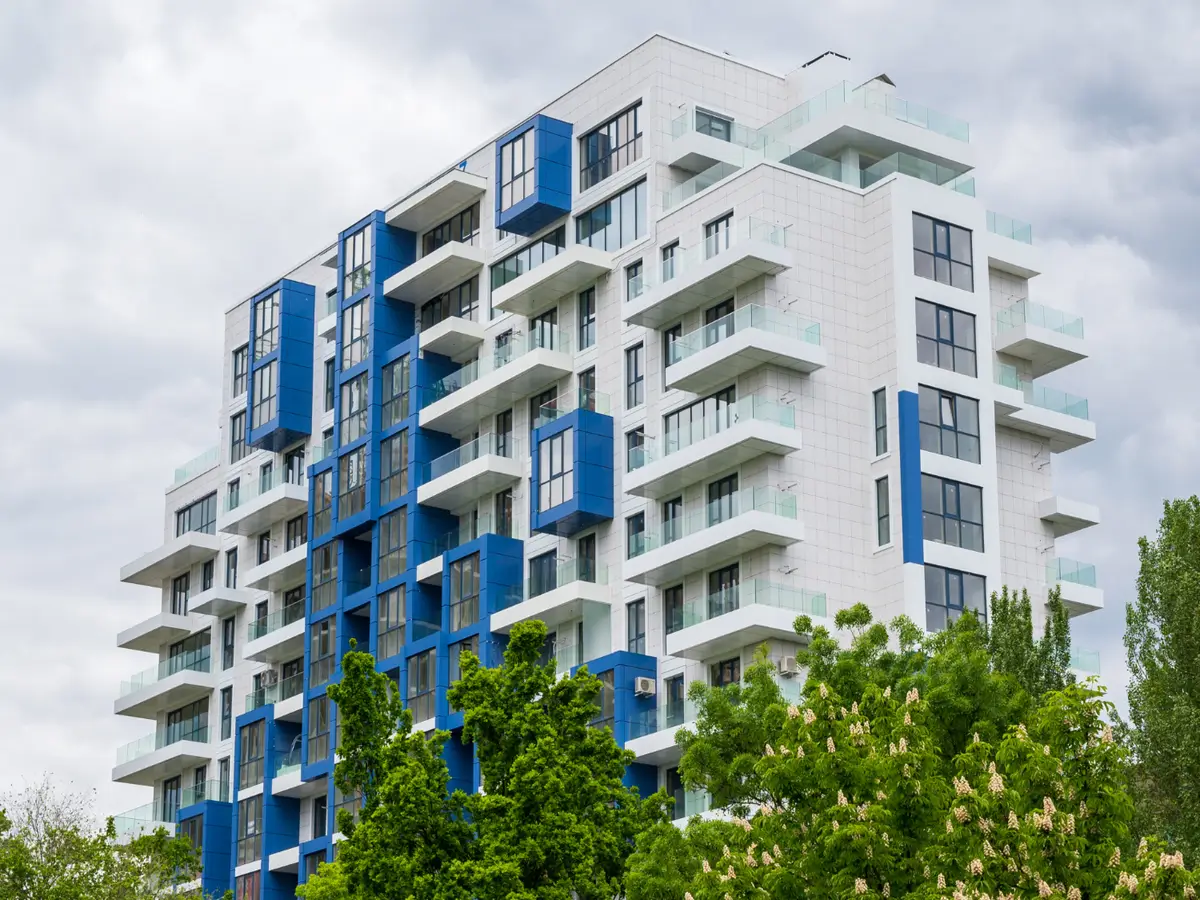
Buying a condo in Riverside is a great choice. Condos can be lower maintenance, amenity-rich, and budget-friendly compared to single-family homes. But before you close the deal, don’t ignore an inspection. It protects your wallet, your safety, and your long-term ROI.
Below you’ll find a practical condo inspection checklist, what’s typically covered, how to review HOA risk, and a straight answer to how much a condo inspection costs in Riverside.
Why a Condo Inspection Matters (Even in Newer Buildings)
Just like a home inspection, a condo inspection helps you understand the issues and make an informed decision about the purchase and maintenance of your place. Below is why condo inspections are essential:
- Catches hidden issues “walls-in.” Your unit’s plumbing, electrical, HVAC systems, appliances, windows/doors, and interior finishes are your responsibility, not the HOA’s.
- Prevents costly surprises. Use your report to negotiate repairs or credits before closing.
- Clarifies HOA vs. owner duties. Your inspector’s findings + HOA docs help you understand which problems could become special assessments later.
Condo Inspection Checklist
Here is a detailed checklist for condo inspections. The following is the list of things to be inspected before purchasing a condo:
Interior “Walls-In” (Your Responsibility)
- Floors/Ceilings/Walls: cracks, stains, unevenness, swollen baseboards, fresh paint over “mystery” patches
- Windows/Doors: smooth operation, seals/weatherstripping, locks, evidence of drafts/condensation
- Plumbing: water pressure, drainage, supply line leaks, shut-off valves, under-sink moisture, toilet stability
- Electrical: GFCI protection (kitchen/baths), outlet polarity, panel labeling, scorch marks, flicker under load
- HVAC: heating/cooling performance, age/maintenance, air filter condition, thermostat accuracy
- Appliances (if included): range/oven, venting, dishwasher leaks, refrigerator temps, microwave, laundry hookups
- Ventilation: bath/kitchen fans venting to exterior (not attic), steam accumulation, fan noise/performance
- Safety: smoke alarms, carbon monoxide detectors, bedroom egress
- Moisture/Indoor Air Quality: musty odors, visible mold, elevated readings on moisture meter (your inspector will check)
Attached/Adjacent Areas (When Accessible)
- Balcony/Patio/Deck: railings, surface cracks/soft spots, ponding water, stucco separation
- Firewalls/Attic Touchpoints: intact fire separation where applicable; signs of leaks/pests
- Garage/Assigned Parking (if applicable): overhead leaks, CO concerns, GFCI availability for EV charging
Building/HOA (Observation + Document Review)
- Common Areas (visual): elevators, hallways, lobby condition, and signs of deferred maintenance.
- Roof/Exterior (visual): cracked stucco, staining, soft spots, past patchwork.
- Systems (ask/verify): plumbing stack age, past slab/roof leaks, chiller/boiler status (if shared).
- Paperwork (request): latest reserve study, budget, insurance summary, board minutes (12–24 months), litigation history, special assessments (planned or recent).
What Inspectors Actually Check (Typical Scope)
Most Riverside inspectors perform a “paint-to-paint” (a.k.a. interior-only) inspection, plus a peripheral inspection of directly attached elements (balcony, patio door, and the immediate exterior). Full-building systems are the HOA’s domain, but your inspector can flag visible red flags and advise what to ask the HOA. Advanced tools you may see being used are:
- Thermal imaging for hidden moisture/insulation gaps
- Moisture meters at baths, kitchens, and exterior walls
- Drone photos (for visuals of roof or exterior, when allowed)
New Condo Inspection Checklist (Don’t Skip Just Because It’s New)
- Cabinet alignment, soft-close hardware, and door clearances
- Grout/caulk completeness at showers and backsplashes
- GFCI/AFCI protection and outlet mapping
- Appliance installs (dishwasher air gap/loop, anti-tip brackets on ranges)
- Window weep holes and patio door track drainage
- Attic/bulkhead access panels properly sealed (where applicable)
- CO/smoke detector placement and dating
How Much Does a Condo Inspection Cost
Condo inspection costs in Riverside vary by unit size (standard one-bedroom to mid-size two-bedroom units). Larger/luxury units or same-day reporting can push higher. Optional add-ons vary by access and scope:
- Mold/IAQ sampling
- Sewer scope (ground-floor/townhome style)
- Infrared scan package
- Balcony/EEEs enhanced review (if requested)
Conclusion
Whether you’re buying or selling, all you need is to choose a reliable inspection company for your condo inspection, which helps to save money and make a smooth transaction. A trusted inspector ensures every detail on your condo inspection checklist is covered so there are no surprises later.
For Riverside buyers and sellers, Elite Group Inspections offers professional, thorough, and affordable condo evaluations you can count on. Contact us today to learn how much a condo inspection costs and book your inspection with confidence.
Frequently Asked Questions
- What is the average cost of a condo inspection in Riverside, CA? The cost of condo inspections in Riverside depends on the unit’s size, age, and location. Add-ons like mold testing or balcony evaluations (for SB 326 compliance) can increase the total.
- How long does a condo inspection typically take? A standard condo inspection usually takes 1.5 to 3 hours, based on the unit’s square footage and accessibility.
- Do I need an inspection for a new construction condo in Riverside, CA? Yes, even new condos can have issues like poor sealing, plumbing leaks, or electrical oversights. A new condo inspection checklist helps you catch builder defects before closing.
- What should I look for in a qualified condo inspector in Riverside? Choose a licensed, certified, and insured home inspector with local experience in condo properties. Look for InterNACHI or CREIA certification and ask to see a sample report before booking.
- What are California’s SB 326 requirements for HOAs, and how do they impact buyers? SB 326 requires HOAs in multi-family buildings to inspect elevated exterior elements, such as balconies and walkways, every 9 years. Reviewing the latest SB 326 report gives buyers insight into the building’s structural safety and potential future repair costs.
- What documents should I review in addition to the inspection report? Request the HOA’s reserve study, budget, insurance summary, board meeting minutes, and any special assessment notices. Together with your condo inspection report, these reveal the property’s actual condition and financial health.


