

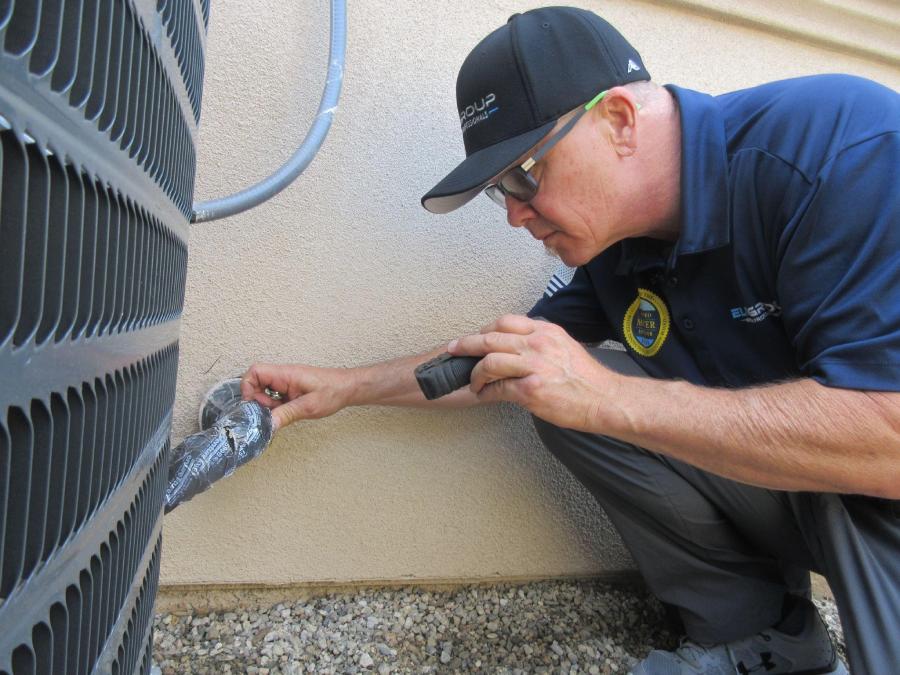
If you’re buying or selling a home, you’ll likely have to go through a home inspection. This is a process in which a professional visits your home to check for potential problems. But what happens during a home inspection? What does a home inspector look for? In this blog post, we’ll answer all of your questions about the home inspection process!
What is a Home Inspection
A home inspection is an examination of a house’s exterior and interior to assess its physical condition. The purpose of a home inspection is to uncover any issues with the house so you can make an informed decision about whether to buy it.
However, don’t expect inspectors to tell you if you’re getting a good deal on the home or offer an opinion on the sale price. They are simply there to report on the condition of the property.
What Happens During a Home Inspection
During a home inspection, the inspector will take a close look at all aspects of the house to identify any potential problems.
Home inspections are thorough. The inspector will examine the roof, ceilings, walls, floors, windows, and doors. They will also test the appliances, inspect the heating and air conditioning, check the plumbing and electrical systems, and thoroughly inspect the attic and crawl space.
Other things the inspector will do include checking for evidence of pests, looking for signs of water damage, and inspecting the home’s roof.
The Master Blueprint: Understanding the Home Inspection Checklist
To maximize efficiency, certified evaluators follow a structured master plan. A comprehensive home inspection checklist is designed to systematically audit every major visible system from the roof down to the foundation.
As established by the American Society of Home Inspectors (ASHI) standards, a baseline evaluation ensures that the structural components, built-in appliances, and safety controls are thoroughly cataloged. The resulting document translates technical symptoms into clear, actionable data, enabling buyers to negotiate credit repairs or price adjustments intelligently before closing escrow.

Regional Compliance: Mastering the California Home Inspection Checklist
A standard California home inspection checklist incorporates specific regional mandates that differ significantly from other real estate markets. Inspectors operating in this region must pay extra attention to life-safety and structural stability parameters, including:
- Seismic Safety Anchoring: Verify that the water heater tank is securely double-strapped to the wall studs to prevent tipping and breaking gas lines during an earthquake.
- Wildfire Mitigation Boundaries: Check exterior spaces for proper defensible space, attic vent screens that resist ember intrusion, and spark arrestors on chimneys.
- Pool Safety Requirements: Confirm compliance with the California Health and Safety Code for double-barrier drowning-prevention gates, door alarms, and anti-entrapment drain covers.
What Do Home Inspectors Look For
When an expert steps onto the property, they look past cosmetic upgrades like modern paint or updated flooring. Instead, what home inspectors look for is the operational functionality, safety compliance, and structural lifespan of the home’s primary infrastructure.
To help you anticipate what will be documented during the walkthrough, consider this comparative breakdown of structural and operational systems:
| Property Evaluation Zone | Target Items Checked | Primary Structural/Safety Hazards Identified |
| Exterior & Building Envelope | Roof shingles, flashing, siding joints, site grading, gutter downspouts, and attached decks. | Active roof leaks, exterior wood-boring insect damage, and soil erosion attacking the foundation. |
| Electrical Infrastructure | Main service panel breakers, grounding wires, branch circuits, and GFCI outlet safety responses. | Overloaded electrical circuits, hazardous aluminum branch wiring, and immediate shock risks near plumbing. |
| Plumbing & Waste Systems | Main shut-off valves, water pressure lines, drainage speed, water heaters, and trap configurations. | Unexposed plumbing leaks, water heater pressure relief valve failures, and active line corrosion. |
| HVAC Comfort Systems | Furnace heat exchangers, burner alignment, AC condensate drainage lines, and ductwork integrity. | Deadly carbon monoxide leaks, structural fire hazards, and deficient interior airflow paths. |
What Sellers Should Do Before a Home Inspection
If your home is currently on the market, you can ensure a much faster evaluation by looking at your house through an inspector’s eyes. To make sure your home is ready to be examined, you should:
- Clear All Access Points: Ensure that electrical subpanels, attic scuttle holes, crawlspace hatches, and utility closets are completely clear of clutter and unlocked.
- Replace Dead Batteries: Put fresh batteries into every smoke alarm and carbon monoxide detector on every floor.
- Fix Minor Operational Items: Replace burnt-out light bulbs so the inspector doesn’t have to flag an outlet or fixture as inoperable, and clear out slow-draining shower or sink drains.
Secure Your Real Estate Investment
A home purchase or sale is one of the largest financial milestones of your life. Your home inspection report is just one part of the decision-making process when buying a home. It gives you a good starting point for negotiating with the seller.
If there are major problems with the home, you may decide to walk away from the deal. Or, if you’re still interested in buying the home, you can use the inspection report to negotiate a lower purchase price or have the seller make repairs before you buy.
If you have any questions about the home inspection process or are ready to schedule an inspection, reach out to Elite Inspections. We’re here to help you every step of the way!


