

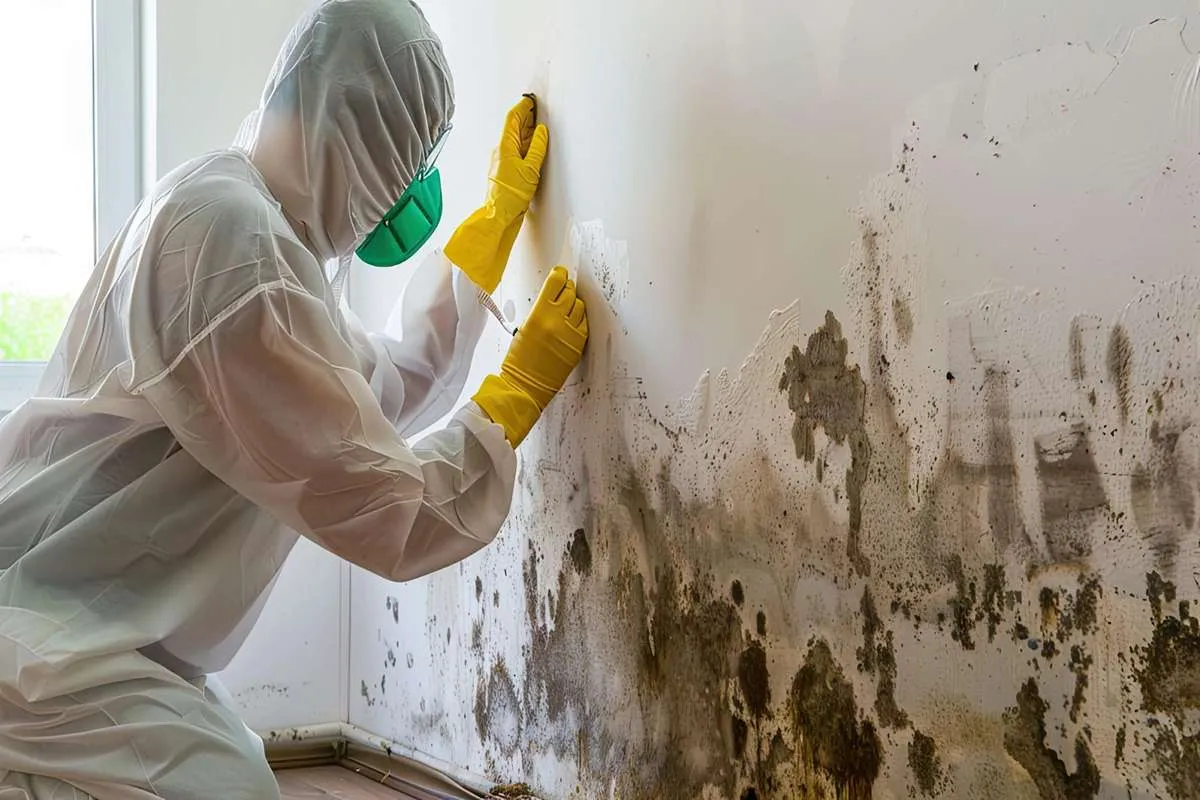
A standard home inspection typically does not include complete mold testing. Still, most qualified inspectors will look for visible signs of mold and conditions that could lead to it, such as water damage, leaks, or high humidity. If mold is suspected, your inspector may recommend specialized testing or refer you to a certified mold specialist for further evaluation.
Let’s break down exactly how home inspectors check for mold, what’s covered in a routine inspection, and when you should consider adding a professional mold test.
Does Home Inspection Include Mold Testing
The standard answer is no, not completely. A general home inspection is a non-invasive, visual examination of the home’s overall operational readiness and structural stability. While an inspector will absolutely document visible patches of dark growth or note a heavy, musty odor in a crawlspace, they are not required to test it, identify the species, or locate spores floating invisibly in the air.
According to professional industry standards, general evaluators identify symptoms of problems (such as an active plumbing leak or a water-stained ceiling), but analyzing specific biological or environmental hazards falls outside their standard scope of work.
Can a Home Inspector Detect Mold
Even though a standard walkthrough has strict structural boundaries, can a home inspector detect mold under the right conditions? Yes, visually and contextually.
If an evaluator spots clear physical indicators during their structural rounds, they will officially report it. They use contextual clues to highlight potential problem areas, such as tracking high relative humidity levels or looking for efflorescence (white, powdery salt deposits) on concrete block walls, which proves that groundwater is actively passing through the structure.
How Do Home Inspectors Check for Mold Vulnerabilities?
To see exactly how a modern field expert identifies hidden moisture anomalies before they bloom into major issues, consider this breakdown of standard diagnostic equipment:
| Field Tool Utilized | Primary Method of Operation | What It Reveals to the Inspector |
| Infrared Thermal Camera | Scans surface temperatures to detect cold anomalies. | Reveals hidden plumbing leaks behind walls or attic roof insulation failures that invite hidden growth. |
| Pinless Moisture Meter | Uses radio frequencies to scan up to 3/4 inches deep into materials. | Confirms whether an old ceiling ring stain is dry or actively wet and harbors biological growth. |
| High-Intensity Flashlight | Sheds high-lumens light at a low angle along dark surfaces. | Exposes early-stage spore colonization on raw structural floor joists or basement walls. |
| Hygrometer | Measures ambient air temperature and relative humidity percentage. | Flags high humidity (above 60%), which the Environmental Protection Agency (EPA) warns is the primary catalyst for rapid spore amplification. |
How Mold Affects Your Home & Family’s Health
Mold is more than an eyesore. It’s a health hazard and a red flag in any home inspection report. Even a small patch can mean hidden moisture problems, damaged walls, or poor air quality. Here’s why mold is such a big deal:
- Health Risks: Prolonged mold exposure can cause coughing, congestion, headaches, fatigue, and even trigger asthma or allergic reactions.
- Hidden Damage: Mold can quietly weaken drywall, wood, and insulation, leading to expensive structural repairs.
- Loan and Insurance Issues: Many lenders and insurers require proof of remediation before approving a loan or issuing coverage.
- Negotiation Power: Detecting mold before closing lets buyers negotiate repairs or price reductions and saves sellers from surprise deal-breakers.
When Should You Get a Dedicated Mold Inspection
You should consider hiring a certified mold inspector or ordering mold testing if:
- You smell a persistent musty odor
- You see water stains, peeling paint, or dark patches
- You or your family experiences unexplained allergy symptoms
- The home has recently had leaks, roof damage, or flooding
- You’re buying an older home or one that’s been vacant for a while
The Bottom Line
So, a home inspector checks for mold, but only within the limits of a visual home inspection. They can identify red flags and suggest testing, but they won’t always perform lab analysis unless they’re certified and you request it.
Schedule your inspection and find out whether mold is present in your home. The licensed inspectors at Elite Inspections will recommend the best course of action if you are dealing with any such problem.
Frequently Asked Questions
- Do house inspectors check for mold?
Yes, most house inspectors look for visible mold, moisture damage, or conditions that could lead to mold, but complete mold testing isn’t included in a standard inspection.
- How do inspectors check for mold during a home inspection?
They use a mix of visual inspection, moisture meters, and sometimes thermal cameras to identify damp areas or visible growth. If needed, they can collect lab samples for verification.
- Will a home inspection find mold behind walls?
Not always. Standard inspections are non-invasive, so hidden mold may require specialized equipment or separate mold testing to confirm its presence.
- Does a home inspection include mold testing by default?
No. Mold testing is usually an optional add-on service. Always ask your inspector if it’s included and what type of testing they offer.


That’s a good idea to check for mold. I wouldn’t want to buy a house to find out that it was infested with mold. I’ll make sure to get an inspector that could look for that if I buy a house.